
Lifestyle Design When Your Business Became the New Cage
You built the business to buy back your life. Somewhere along the way, the business became the thing eating your life instead. You are working more hours than you did before, the money still is not where you want it, and the freedom you were promised feels like a cruel joke you told yourself.
Lifestyle design is the practice of deciding how you want your actual days to look and then building income around that, instead of building income first and hoping a life falls out the other end. Most of us do it backwards. I know I did.
I ran a cake business that grew to around 50,000 followers and multiple six figures, and it turned into a prison. Seventy to eighty hour weeks. Copycats undercutting me until I was almost working for free. The business was successful on paper and it was ruining me. So if your freedom business has become the new cage, I have stood exactly where you are standing.
What is lifestyle design, and why does it matter more once you are already in business?
Lifestyle design means you start with the life - the hours, the location, the energy, the people - and reverse-engineer a business that produces that life. It is the opposite of what most of us actually do, which is grow a business and then try to squeeze a life into the gaps it leaves.
When you are a beginner, this distinction is theory. Once you are in it and stuck, it is the whole ballgame. You already have a business. The question is no longer "should I build one" - it is "why is the one I built not giving me what I wanted, and what do I change?"
Here is the uncomfortable part. A business does not automatically produce freedom just because it is yours. Plenty of self-employed women have simply hired themselves the worst boss they have ever had. The commute is gone and the cage is still there.
My cake business is the clearest example I have. I loved it. The problem was never the cakes. The problem was that I never designed the day-to-day - I let demand design it for me, and demand does not care whether you sleep.
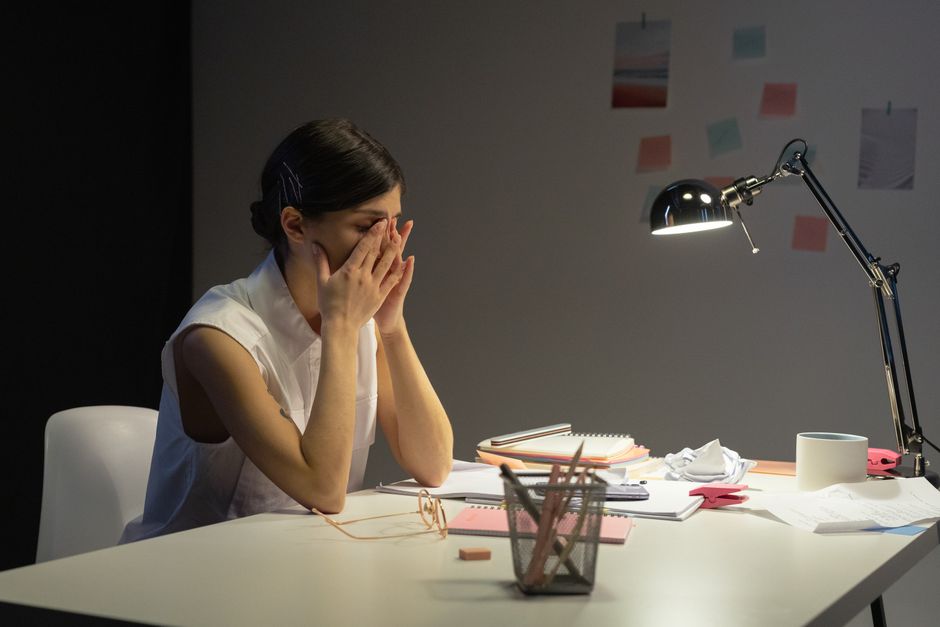
How your freedom business turned into a cage
It rarely happens in one dramatic moment. It happens through a hundred small yeses. One more client. One more product. One more "I'll just do it myself, it's faster."
My wake-up call was a painting. My three-year-old was asked at daycare what her mum's favourite thing to do on the weekend was. She said: "sleep." That was a smack in the face I have never forgotten.
I was so buried in the business I had built that I had disappeared from my own life. The success metrics all looked fine. The lived experience was awful. That gap - between the numbers and the actual day - is where almost every stuck founder lives.
The usual culprits look like this:
- You priced to win the work instead of to be paid what you are worth, so volume is your only lever.
- You are the bottleneck for everything, so the business cannot run without you in it full-time.
- You said yes to a model that scales with your hours - more money only ever means more hours.
- You never actually decided what your ideal day looks like, so there is nothing to design toward.
Notice none of those are "you didn't work hard enough." You have worked plenty hard. The effort was pointed in a direction that could never lead where you wanted. If this sounds familiar, the deeper story of a business that runs your life instead of the reverse is one I break down in the laptop lifestyle isn't the problem - your stuck business is.
Why a freedom based lifestyle starts with the day, not the income goal
Most of us set a revenue target and assume the life follows. It does not. A revenue target with no life attached just becomes a bigger version of the same cage.
A freedom based lifestyle starts with a boring, specific question: what does a Tuesday look like? Not the highlight-reel version. The ordinary one. When do you wake up, who is around you, what are you actually doing between 9am and 5pm, and where in the world are you?
When I finally sat with that question - I was reading The 4-Hour Work Week on a plane, and the prompt was "if money were no object, what would you do?" - I could only write two words. Travel. Help people. That was it. I had built a whole business and lost the person who was supposed to be living the life it funded.
Those two words became the design brief. Everything I built after had to pass one test: does this let me travel, and does it let me help people, without chaining me to a commercial kitchen? That filter is why I have been location-independent since January 2016, across more than 60 countries.
You need your own version of those two words. Not a vision board of villas - the specific texture of your ordinary week. If you want a genuinely useful process for that rather than pretty pictures, I would start with the honest take in a vision board for business that actually moves the needle.
Lifestyle entrepreneurs examples: what "designed" actually looks like
It helps to see the difference in real terms rather than as a concept. A lifestyle entrepreneur builds a business sized to fund a specific life, not the biggest business the market will allow.
Here are the kinds of lifestyle entrepreneurs examples I mean:
- The consultant who deliberately caps at six clients so her afternoons stay hers, and raises prices instead of taking a seventh.
- The founder who moved to a $250-a-month apartment base - I did exactly this in Fethiye, Turkey - so the income her business already makes goes further and the pressure drops.
- The course creator who sells the same thing while she sleeps, so revenue stops being tied to her being awake and available.
- The service provider who productised her offer so a small team can deliver it without her in every call.
The common thread is not the type of business. It is that each one chose a model that decouples income from their hours. My family has saved over $250,000 doing more than 80 house sits, world-schooling the kids as we went, because the life was designed to keep costs low and freedom high - not because we out-earned everyone.
According to MBO Partners' State of Independence research, the number of independent workers in the US grew to over 72 million in recent years, and a large share cite control over their schedule as the reason they will not go back. The market is full of people who left the cage. The ones who are actually free are the ones who designed the replacement instead of recreating the office at home.

How do you redesign the day-to-day without torching the business you built?
You do not need to burn it down. That is the fear that keeps most stuck founders stuck - the belief that fixing this means starting over from zero. It almost never does.
Redesign happens in a specific order. Rush it and you just rebuild the cage with nicer bars.
1. Write the day before you touch the business
Describe your ideal ordinary Tuesday in plain detail. This is your brief. Every change you make from here gets measured against whether it moves your real day closer to that one.
2. Find where income is welded to your hours
Look at every revenue stream and ask: does this only pay me when I am personally working? Those are the pieces holding the cage together. You want at least one stream that keeps earning when you step away - I go through the ones that hold up in passive income streams that actually hold up when you're already in business.
3. Fix the price before you fix the volume
If you are drowning in low-paid work, more marketing will drown you faster. Raising your price so you need fewer clients is usually the single fastest way to buy back hours.
4. Remove yourself from one thing at a time
Pick the one task that eats the most time and does not require your specific genius. Document it, delegate it, or delete it. Then repeat. This is slow on purpose - fast redesign is how people blow up cashflow.
Is a travel lifestyle actually the goal, or just a symptom of wanting out?
For a lot of women, the fantasy is a travel lifestyle - the laptop on a balcony, the flights, the different city every month. I live that life, so I am the last person to talk you out of it. But I want to be honest about what it is and is not.
Travel does not fix a stuck business. It relocates it. If your income is welded to your hours in Sydney, it will still be welded to your hours in Bali - you will just be exhausted with a better view. Beauty alone does not fix the stuck feeling.
What a travel lifestyle can do is force the design conversation. When you cannot be physically present for everything, you finally have to build the business so it does not need you present. That constraint is a gift, but only if you have already done the redesign underneath it.
So treat the travel as the reward for the design work, not the substitute for it. Get the model right first. Then the balcony is just where you happen to be sitting when the business runs itself.
Frequently Asked Questions
What is lifestyle design in simple terms?
Lifestyle design means deciding how you want your everyday life to look first - your hours, location, energy and people - and then building income around that, rather than growing a business and hoping a good life falls out of it.
How is lifestyle design different when I already run a business?
As a beginner it is theory. Once you are in it, it becomes diagnosis: you already have income, so the work is finding where that income is welded to your hours and redesigning the model so it stops requiring you to be present for everything.
Do I have to start over to redesign my business?
Almost never. Most stuck founders can redesign in place by writing their ideal day, fixing pricing before volume, adding one income stream that earns without them, and removing themselves from one task at a time.
Will travelling fix a business that isn't paying me?
No. Travel relocates a stuck business, it does not fix it. Get the model decoupled from your hours first, then travel becomes the reward rather than an escape that follows you.
If your business became the new cage, the way out is not more effort - it is redesigning the day you are actually living, then reshaping the business to fund it. That is exactly what I built The Reality Check for: a clear-eyed look at where you are stuck and what to change first, so the next thing you try is the thing that finally works. You have already done the hard part by starting. Now let's make it pay you the freedom you built it for.
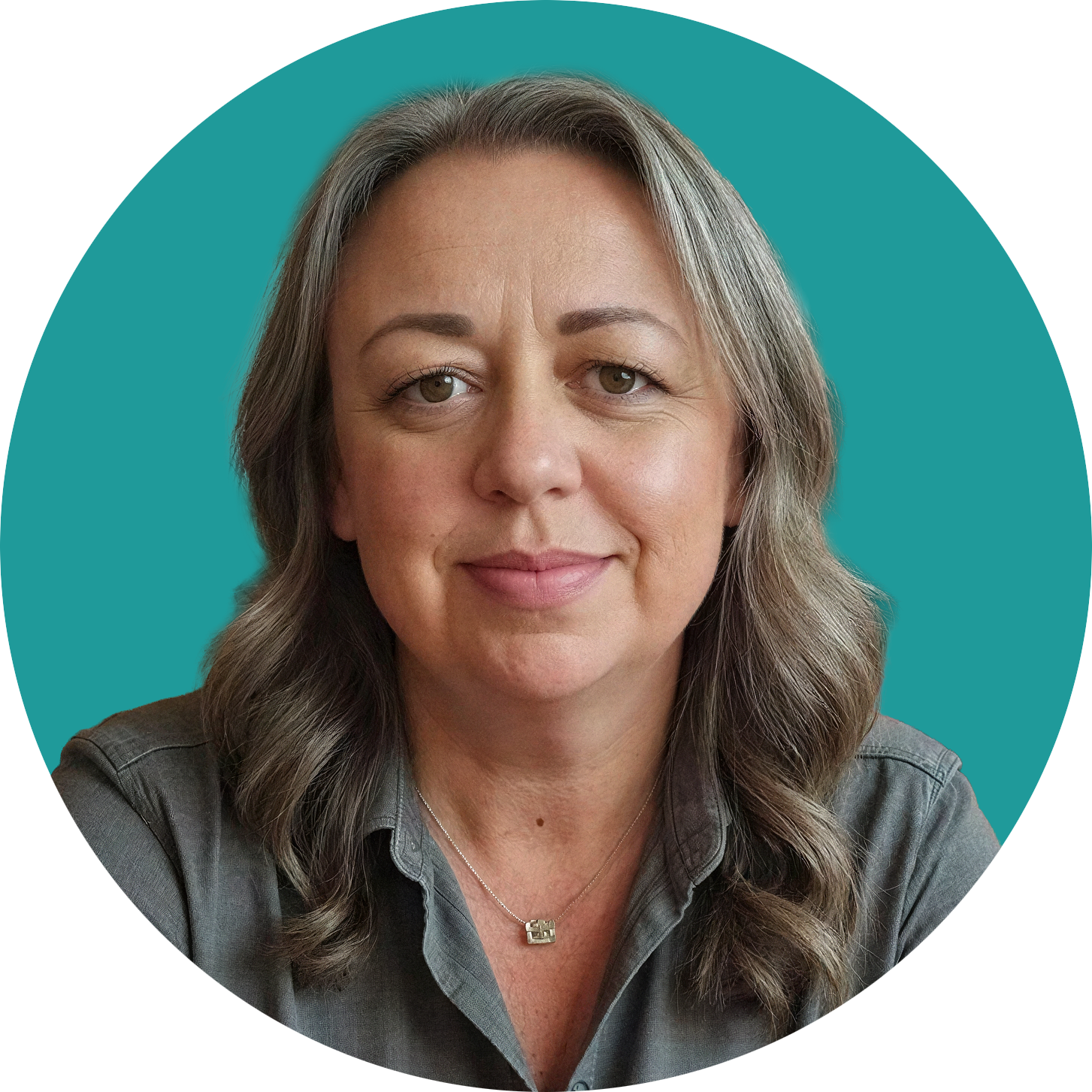
Karen King, Founder of The Escapepreneur® & ESC Hub
Karen King is the founder of The Escapepreneur® and the woman behind the term. After burning out running a six-figure cake business in Australia, she sold everything, left the country, and spent the last 10 years building a freedom-based business across 60+ countries. On No More Somedays, she writes for the online business owner who is smart, tired, and done with waiting for someday to arrive. Honest, practical, zero hype.
Take the Reality Check
Working hard but going nowhere? Answer 10 quick questions and find out what's really been holding you back — and where to start.
Start My Reality Check →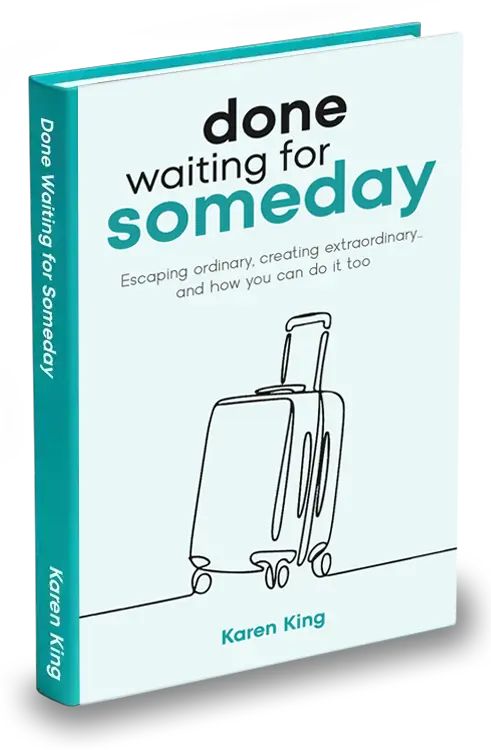
Done Waiting for Someday
The step-by-step path to turning the business you have into the freedom you want.
Get the book →Join The Escape Club
Support, accountability and a room full of people building freedom-first businesses alongside you.
Join the Club →