
How to Simplify Business Solutions So Your Income and Freedom Stop Getting Capped
You started this to have more freedom. Instead you've got more tabs open, more tools you're half-using, more offers than you can explain in one breath, and a calendar that somehow fills itself. To simplify business solutions is to strip your business back to the one or two things that actually make money and give you your life back - not to add another system on top of the pile. That is the whole point of this post, and it's the opposite of what most advice tells you to do.
I know this trap from the inside. My cake business grew to around 50,000 followers and multiple six figures, and it still turned into a prison of 70 to 80 hour weeks while copycats undercut me and I nearly worked for free. More followers, more orders, more everything - and less of me. The problem was never that I needed to do more. It was that I'd built something too complicated to ever pay me properly.
What does it mean to simplify business solutions?
To simplify business solutions means cutting the number of offers, platforms, and moving parts in your business down to the smallest set that still produces the income and freedom you're after. It's a subtraction exercise, not an addition one.
Most of us don't have a marketing problem or a discipline problem. We have a complexity problem. Every offer you run, every platform you post to, every funnel you maintain has a hidden cost in time and attention. Ten of those and you're not running a business anymore. You're feeding a machine.
Complexity feels like progress because it looks like effort. You're busy, you're building, you're learning the new thing. But busy and paid are not the same, and the more scattered you are, the further apart those two things drift.

Why complexity is capping your income
Here's what nobody tells you when you're stuck. Your income isn't capped because you're not working hard enough. It's capped because your attention is spread across so many things that none of them get good enough to scale.
Three half-built offers will always earn less than one offer you've made genuinely great. When you're doing everything, you never get the reps on any one thing that make it work. You stay a beginner at ten skills instead of getting excellent at two.
There's a real cost to constant switching, too. Research summarised by the American Psychological Association found that shifting between tasks can cost up to 40% of someone's productive time. Now imagine that tax running across your whole week, every week, because your business has too many things demanding your attention at once.
I lived the ADHD version of this for years. I'm a try-anything person, 30 houses by the time I was 21, always chasing the next new thing. That curiosity built a lot of skills and cost me a lot of money, because I never stayed with one thing long enough to let it pay me. My freedom only arrived once I finally focused. I did the right things in the wrong order.
How do you know your business is over-complicated?
You usually feel it before you can name it. See how many of these land.
- You can't explain what you sell in one clear sentence without a "well, it depends."
- You have offers you're embarrassed you still have live because nobody buys them.
- You're on four or five platforms and doing none of them properly.
- Your income doesn't match your hours, and adding hours doesn't fix it.
- You dread opening your own business, which is a strange thing to build for freedom and then dread.
If you nodded at three or more, the answer isn't a new tool or a new tactic. It's cutting. The stuck feeling you keep pushing through is often the business telling you it's carrying too much. I've written more about what that stuck feeling is actually telling you, because it's rarely random and it's rarely laziness.
The one-offer test that clears the fog
When my clients are drowning, I give them one exercise. Imagine you're only allowed to sell one thing for the next 90 days. Everything else goes dark. Which offer do you keep?
The answer is almost never the newest or the most exciting one. It's usually the one that already works - the thing people ask you for, the thing that sells without a fight, the thing you could deliver in your sleep. That's your business. The rest is noise you've been calling strategy.
Picking that one thing is the hardest part, because saying no to your other ideas feels like loss. It isn't. It's the only way any of them ever get good. If you want a proper walk-through of choosing, this piece on how to pick one thing when you're stuck doing everything does exactly that.

Simplify your business solutions by subtracting, not adding
Once you've named your one thing, the work is to protect it by removing what competes with it. Here's the order I use.
Cut the offers that don't pay
Go through everything you sell and mark what actually made money in the last few months. Retire the rest, even the ones you loved building. An offer nobody buys isn't a revenue stream, it's a maintenance job you're doing for free.
Cut the platforms you're bad at
You do not need to be everywhere. Pick the one or two places your buyers actually are and where you can show up consistently, and let the others go quiet. I learned this the hard way when Facebook deleted a 13,000-family community of mine overnight - which is why I never build only on rented land, but I also don't scatter myself across six platforms to feel safe.
Cut the tools you're not using
Open your subscriptions. Half of them are things you signed up for to solve a problem you no longer have. Every tool has a learning cost and a login cost. Fewer, better tools beats a stack you dread opening.
Cut the tasks that aren't the work
A lot of what fills your day isn't the business, it's the admin around the business. Some of that is genuinely unfinished projects sitting in the background draining you. If that's you, the true cost of your unfinished projects is worth reading before you start anything new.
What simplification looks like in real life
When I finally simplified my own life, it was extreme. I sorted a whole house into Sell, Keep, Donate and Trash, sold a lifetime of possessions for $10k, and left Australia in January 2016 deliberately homeless. Carry-on luggage only.
What I learned is that removing things doesn't shrink your life. It clears space for the parts that matter. Sixty-plus countries and 80-plus house sits later, saving over $250,000, my life is far bigger than it was when I owned everything and did everything.
Your business works the same way. The version of your business that finally pays you and gives you your time back will almost certainly be simpler than the one you have now, not more sophisticated. Fewer offers, clearer message, one platform you show up on well.
Is simpler really more profitable?
Yes, and not by a small margin. A simple business is easier to explain, which means it's easier to sell. It's easier to deliver, which means you can serve more people without burning out. And it's easier to improve, because all your attention is pointed at one thing instead of ten.
Complexity hides your best asset - you. When you're doing everything, your actual talent gets diluted across tasks a simpler setup wouldn't even require. Strip it back and the thing you're genuinely good at gets room to be seen and paid for. Simplifying your business solutions is how you go from busy and broke to focused and paid.
Frequently Asked Questions
What does "simplify business solutions" actually mean for a small business?
It means reducing your business to the fewest offers, platforms, and tools that still deliver the income and freedom you want. For a small or solo business, that usually means one core offer, one or two platforms, and only the tools you genuinely use.
Won't cutting offers and platforms cost me income?
Almost never, because the offers and platforms you'd cut are usually the ones barely earning anything while eating most of your time. Concentrating your effort on your best offer typically raises income, not lowers it.
How do I choose which one offer to keep?
Keep the offer that already sells with the least resistance - the thing people ask you for and that you can deliver comfortably. Ignore how new or exciting an offer feels; follow what works.
I've tried simplifying before and drifted back to doing everything. Why?
Usually because you removed tasks without deciding what you were protecting. Name your one thing first, then cut everything that competes with it - simplification sticks when it has a clear purpose behind it.
You don't need another tool, another course, or another offer bolted onto a business that's already too heavy to pay you. You need to see clearly where it got complicated and where you drifted, and then cut. If you want help finding exactly where your business is stuck and what to remove first, start with The Reality Check - it's built for exactly this moment, when you've been at it a while and know something's off but can't yet name it. The simpler version of your business is still yours. It's just waiting under everything you piled on top.
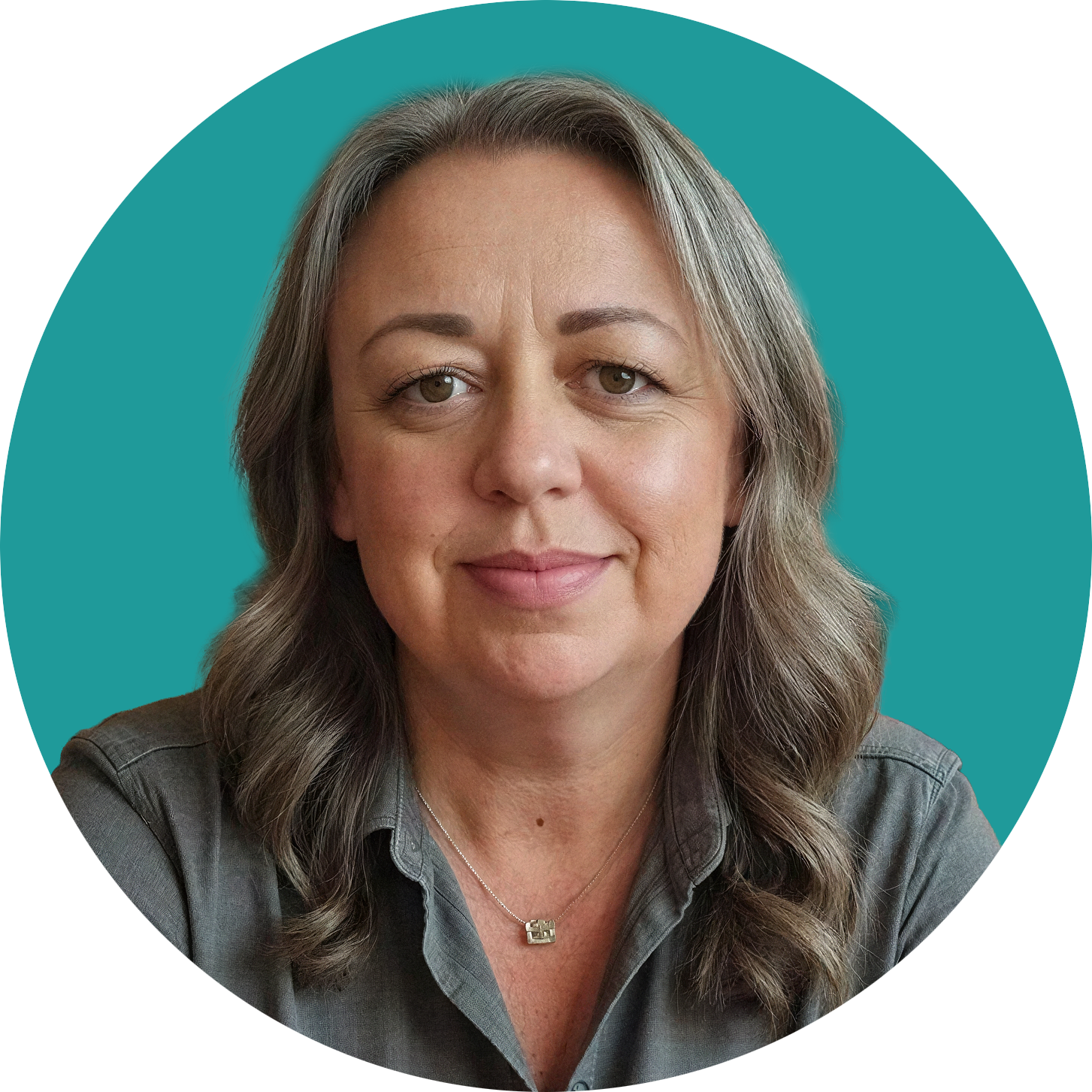
Karen King, Founder of The Escapepreneur® & ESC Hub
Karen King is the founder of The Escapepreneur® and the woman behind the term. After burning out running a six-figure cake business in Australia, she sold everything, left the country, and spent the last 10 years building a freedom-based business across 60+ countries. On No More Somedays, she writes for the online business owner who is smart, tired, and done with waiting for someday to arrive. Honest, practical, zero hype.
Take the Reality Check
Working hard but going nowhere? Answer 10 quick questions and find out what's really been holding you back — and where to start.
Start My Reality Check →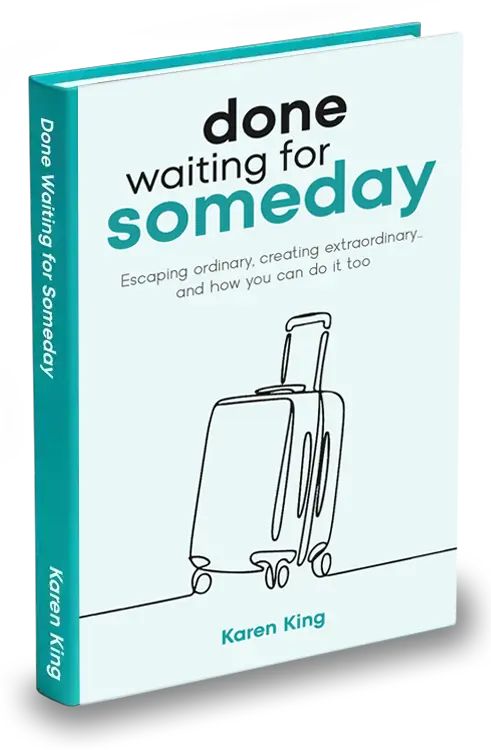
Done Waiting for Someday
The step-by-step path to turning the business you have into the freedom you want.
Get the book →Join The Escape Club
Support, accountability and a room full of people building freedom-first businesses alongside you.
Join the Club →