
The Business Bank Account Question You've Been Avoiding (And What It's Actually Costing You)
You've been running everything through one account. Personal, business, the tax you keep meaning to set aside, the client payment that landed the same week your rent came out. It works, sort of, until you sit down to figure out whether the business is actually paying you and realise you have no idea. That's the moment most solo owners finally get serious about a business bank account - not because an accountant nagged them, but because the fog got too expensive.
A business bank account is a separate account held in your business's name, used only for business income and expenses, kept apart from your personal money. That's the whole definition. The reason it matters when you're already trading, and stuck, is different from the reason a beginner needs one - and that's what I want to talk about.
I mixed my money for far too long with my cake business. Multiple six figures moving through, 70 to 80 hour weeks, and I still couldn't have told you my actual profit on a given order. I "did the right things in the wrong order," and this was one of them.
Why a business bank account matters more once you're already in business
When you're starting out, separating your money is admin. When you've been trading a while and the freedom hasn't shown up, it's diagnostic.
Here's what I mean. If everything runs through one account, you can be busy, feel busy, take money in, and still have no honest read on whether the business makes sense. The mixing hides the answer. You assume the problem is not enough sales when the real problem might be that your margins are thin, your pricing is off, or you're paying for tools you forgot you subscribed to.
A business bank account doesn't make you more money. It makes the truth visible. And you can't fix a number you can't see.
This is the same reason your unfinished projects cost you more than you think - not because any single one was a disaster, but because you never got a clean look at what each was actually doing. Money is the same. Separate it and the picture stops lying to you.

What happens when you don't separate business and personal money
I lived this one. With Cakes by Karen, copycats undercut me and I dropped my prices to compete, and because personal and business money sat in the same pot, I didn't feel the damage until it was severe. I was almost working for free and it took a while to see it, because the account still had money moving in and out. Movement isn't profit.
Mixed money causes four specific problems for a solo owner:
- You can't see profit. Revenue in, life out, no line between them. You feel your bank balance instead of reading your business.
- Tax becomes a shock. When the money you owe lives in the same account as the money you spend, you spend the money you owe.
- You pay yourself by accident. No deliberate owner's wage, just whatever's left, which is usually the wrong amount at the wrong time.
- You look unprofessional to yourself. The mess tells you this is a hobby, and you start treating it like one.
That last one is bigger than it sounds. A lot of what looks like a drop in business confidence is really just not knowing your own numbers. You can't feel sure of a business you can't measure.
How do you set up a business bank account as a solo owner?
You don't need to make this complicated. The point is separation, not a perfect banking setup.
The basic version, wherever you are in the world:
- Open a dedicated account in the business's name (or a clearly separate personal account used only for the business if your structure is very simple - check your local rules).
- Run every dollar of business income into it. No exceptions, even the small ones.
- Pay every business expense out of it. If you accidentally use a personal card, reimburse yourself from the business account so the record stays clean.
- Pay yourself deliberately. Transfer a set owner's wage to your personal account on a schedule, not whenever you feel broke.
Your business structure affects what's legally required here, and it's worth getting right rather than guessing - I've written separately about choosing a business structure that keeps you free rather than one that boxes you in. The account and the structure work together.
If you're location-independent like me, add one thing: pick a bank or account that works internationally and doesn't punish you with fees every time you're paid in a different currency. I've run a business from Panama, a $250-a-month apartment in Turkey, and the ski season in Bulgaria - the last thing you want is your money trapped behind geography.
The profit-first setup that actually changed things for me
One account is the floor. What genuinely shifted how I ran money was splitting it further, so the business tells me what it's doing before I get to touch it.
The idea isn't mine - it comes from Mike Michalowicz's Profit First method, which flips the usual maths. Instead of Sales minus Expenses equals Profit (where profit is whatever's left, usually nothing), you take profit first and run the business on what remains.
In practice, that's a few separate accounts:
- Income - everything lands here first.
- Profit - a small percentage skimmed off the top, every time, before anything else.
- Owner's pay - your wage, paid on a schedule.
- Tax - set aside the moment money comes in, so it's never yours to spend.
- Operating expenses - what's left runs the business.
This matters most for freedom businesses because so many of us build things that are supposed to run lean - digital products, memberships, services. If yours is meant to fund a life on the road, the money system has to be as portable and honest as the business. It's the same logic behind building passive income streams that hold up when you're already in business: structure first, so the money doesn't depend on you watching it every day.
According to the U.S. Small Business Administration, keeping business and personal finances separate is one of the first steps to managing your business finances well - not a nice-to-have, a foundation. When a government agency and a millionaire mentor agree, it's worth listening.
Isn't a business bank account overkill for a small solo business?
No. And I'd argue it matters more when you're small, not less.
The bigger the business, the more likely someone's forcing the separation - an accountant, a bookkeeper, a legal structure. When it's just you, nobody's making you do it. So the fog is thickest exactly where you're most alone with it.
Small doesn't mean simple. It means you're carrying every hat, including the money one, and it's the hat that gets dropped first because it's boring and there's no one to hand it to. A separate account is the cheapest way to stop being the only thing standing between your business and a clear view of whether it works.
And if you're honestly not sure the business is worth continuing in its current shape, mixed money is the worst possible position to decide from. You need clean numbers before you make a call like that - the same way you'd want them before you decide how to niche down when you're already years in. You course-correct from data, not from a feeling in your gut about your bank balance.
What separating your money won't fix
Let me be straight, because I don't want you to think this is the whole answer.
A business bank account gives you visibility. It does not give you a better business. If your pricing is wrong, separation shows you it's wrong - it doesn't fix the pricing. If you're doing five things and mastering none, clean accounts just prove it more plainly.
My freedom didn't come from a bank account. It came once I finally focused, after years of trying everything and struggling financially because I never stuck to one thing. The money system made the problem visible fast enough that I could act on it. That's its job. It's the instrument panel, not the engine.
So set it up, then use what it shows you. Most solo owners who feel stuck aren't lacking effort. They're flying with the panel taped over.
Frequently Asked Questions
Do I legally need a business bank account?
It depends on your business structure and country. A company or partnership usually must have a separate account, while a sole trader often isn't legally required to - but is strongly advised to keep money separate anyway for tax, a clear view and protection. Check your local rules.
Can I use a second personal account instead of a business account?
If you're a very simple sole trader, a dedicated separate personal account is better than mixing everything - but it can breach some banks' terms and may lack features you'll want. Once you register a company or grow, move to a proper business bank account.
How many accounts do I actually need as a solo owner?
Start with one dedicated business account. If you want more control, add separate accounts for profit, tax and owner's pay using the Profit First approach so money is allocated before you spend it.
What's the best business bank account for a location-independent founder?
Choose one that works across borders without heavy fees for foreign currencies and international payments. Multi-currency accounts and modern online business banks tend to suit travelling founders better than a traditional high-street bank.
Will separating my money make my business more profitable?
Not directly. It makes your real profit, pricing and waste visible so you can act on them. The account reveals the problem - fixing pricing, focus or margins is what actually changes the profit.
If you've been avoiding this because it feels like admin, that avoidance is the tell - it usually means you're a little afraid of what the numbers will say. Set up the separation, then get honest about what it shows you, because clean money is where course-correcting a stuck business actually starts. When you're ready to work out where yours is really stuck and what to change next, walk through The Reality Check - it's built for exactly this moment, when you've already started and just need to see plainly enough to fix it.
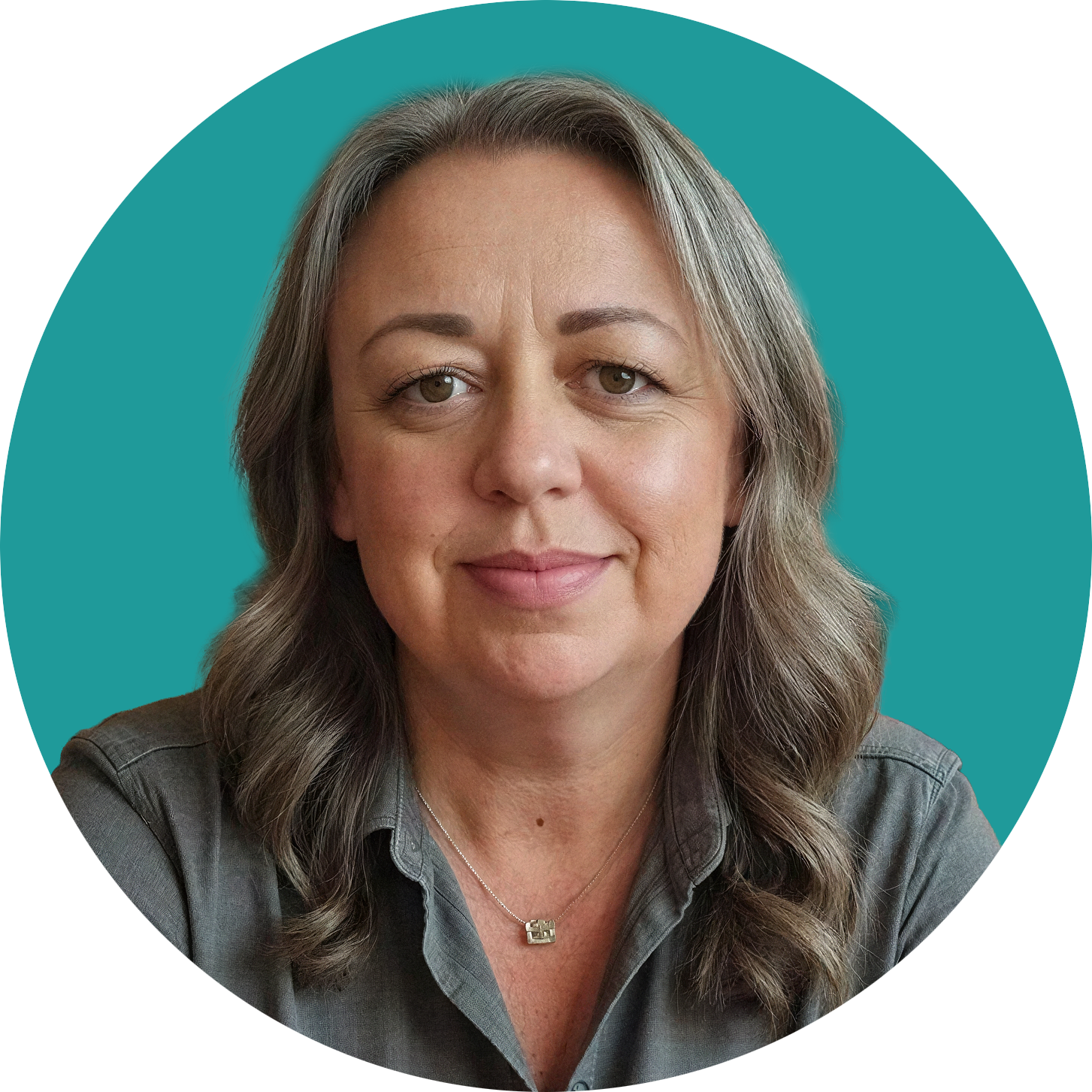
Karen King, Founder of The Escapepreneur® & ESC Hub
Karen King is the founder of The Escapepreneur® and the woman behind the term. After burning out running a six-figure cake business in Australia, she sold everything, left the country, and spent the last 10 years building a freedom-based business across 60+ countries. On No More Somedays, she writes for the online business owner who is smart, tired, and done with waiting for someday to arrive. Honest, practical, zero hype.
Take the Reality Check
Working hard but going nowhere? Answer 10 quick questions and find out what's really been holding you back — and where to start.
Start My Reality Check →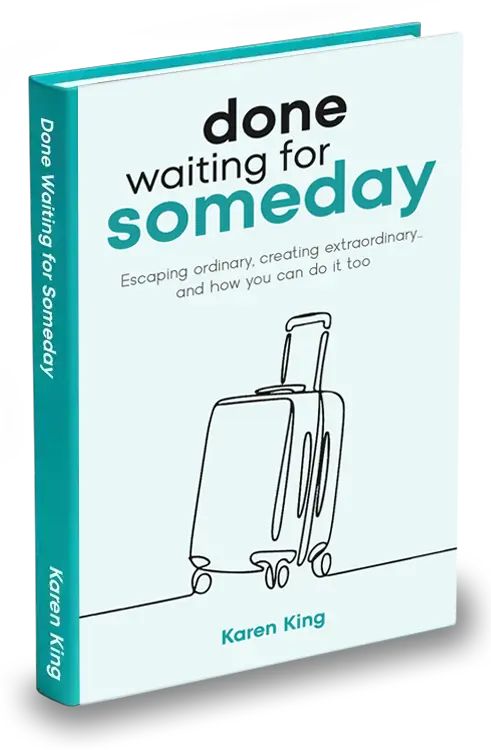
Done Waiting for Someday
The step-by-step path to turning the business you have into the freedom you want.
Get the book →Join The Escape Club
Support, accountability and a room full of people building freedom-first businesses alongside you.
Join the Club →