
A Digital Product Business: The Smart Move When You're Done Trading Time for Money
You already built the business. You said yes to freedom, you did the scary part, and yet here you are - still swapping hours for dollars, still the bottleneck for everything, still opening your laptop wondering why the money and the space you were promised never actually showed up.
A digital product business is a business built on things you make once and sell many times - a course, a template, a membership, a downloadable resource - so your income stops being chained to your hours. That single shift is what most of us miss for far too long. And it's the difference between a business that pays you while you sleep and one that turns into a job you can never quit.
I know that trap intimately, because I lived in it. So let's talk about why what you've tried hasn't freed you yet, and what actually changes when you build that kind of edge in.
What is a digital product business, really?
A digital product business sells intangible goods - files, access, knowledge - that you create once and deliver again and again without your hands on every sale. Think online courses, templates, ebooks, memberships, paid communities, digital planners, or a library of resources people pay to use.
The mechanics matter less than the maths. When you sell your time, your income has a ceiling equal to your waking hours. When you sell a product, the ceiling comes off, because the tenth sale costs you almost nothing to fulfil.
That's the whole point. Not passive in the fantasy sense - nothing is truly hands-off - but one piece of work paying you more than once.
I want to be honest with you before we go further. I spent years not getting this. I ran a business I loved that became a cage, and the bars were made entirely of my own hours.

Why the business you built still owns your calendar
Before I lived out of a carry-on while travelling to 60-plus countries, I had a cake business. Cakes by Karen started as an accidental Facebook page when my daughter was eight weeks old - 100 followers and nine orders in 48 hours - and grew to a commercial kitchen, around 50,000 followers and multiple six figures.
I adored it. Then it became a prison. Seventy to eighty hour weeks. Copycats undercutting me until I was almost working for free.
The smack in the face came from my three-year-old's Mother's Day painting: "My mum's favourite thing to do on the weekend is sleep." I had built a real business and it had swallowed me whole.
Here's what I finally understood. Every single dollar I earned required me, physically, standing in that kitchen. There was no version of that business that paid me without my hands in it. I had confused being busy and being booked out with being free.
If your business still owns your calendar, this is almost certainly why. You built something that only works when you work. That's not a discipline problem or a hustle problem - it's a structure problem, and no amount of getting up earlier fixes a structure problem.
The move you've been circling
The reason a digital product business matters for you specifically - a woman who is already in this, not deciding whether to start - is that you already have the raw material. You have the skill, the results, the process you use for clients, the thing people keep asking you how you do.
That knowledge is currently trapped inside your hours. A product lets it out.
You don't need a new idea. You need to package what you already know into something that sells without you. If you've been delivering the same service one-to-one over and over, you are sitting on a course or a template you haven't built yet.
This is why I always send people who feel this exact stuckness toward thinking like an online course creator turning what they already know into income - not because a course is the only answer, but because it forces the right question: what do I know that someone would pay to shortcut?
The mistake I see constantly is women trying to build the product on top of the full-time service load, in the cracks, at 11pm. It never ships. Which brings me to the real reason your attempts have stalled.
Why your digital product business ideas keep dying at 80%
Here is the uncomfortable pattern. Most digital product business ideas don't fail because they were bad. They fail because they were one of eleven things you started and none of them got finished.
I know this one in my bones. I was diagnosed with ADHD in 2023, and the honest throughline of my whole story is that I tried everything and struggled financially for years - the cost of never sticking to one thing. My line for it is "I did the right things in the wrong order." The freedom only came once I finally focused.
If you have three half-built courses, a lead magnet you never launched, and a membership idea in your notes app, the problem was never your ability. It's that scattered energy produces nothing shippable. I wrote more about how unfinished projects cost you more than you think because this is the single biggest thing standing between women and the income they're capable of.
The fix is brutally simple and genuinely hard: pick one. One product, one audience, one problem, finished and out the door before you allow yourself to start the next. Choosing one thing when you're stuck doing everything is not a limitation, it's the whole game.
You cannot build real freedom on a foundation of half-finished ideas. It requires something that actually exists and can be sold.

How to start a digital product business from where you actually are
You're not starting from zero, so let's not pretend you are. Here's how to move when you're already in business and just need to add the layer that frees you.
- Mine what you already deliver. Look at the questions clients ask you before they hire you, the thing you explain on every discovery call, the process you repeat. That repetition is your product hiding in plain sight.
- Pick the smallest sellable version. Not the 40-module signature program. A single template, a short paid workshop, a focused mini-course. Small ships. Small teaches you what people actually buy.
- Sell it before you build the whole thing. Presell to your existing audience or client base. If nobody buys the promise, don't spend six weeks building it.
- Build on ground you own. Facebook deleted my 13,000-family online community overnight once. That's why I never build only on rented land. Get people onto an email list you control.
- Protect the build time. Block it, ring-fence it, treat it like a client you can't cancel on. Products don't get made in leftover time.
The global e-learning market alone is projected to reach around US$462 billion by 2027, according to Statista. That's not there to hype you up - it's there to make one point: the demand for what you know is not the problem. Your packaging and your focus are.
Is a digital product business actually more freedom, or just more work?
Honest answer: at first, more work. You're building an asset while still running the thing that pays you now. That overlap period is real and it's tiring.
But the shape of the work changes. A service business asks you to keep showing up forever. A digital product business asks you to do concentrated work now that keeps paying later.
I sold a lifetime of possessions for $10k, left Australia in January 2016 "deliberately homeless," and I've been location independent ever since - 80-plus house sits, world-schooling the kids, now moving to Mexico. None of that was possible when every dollar required me in a kitchen. It became possible when I built income that didn't need my hands on every sale.
That's the trade. Not easy, not passive-in-your-sleep, but work that compounds instead of hours that reset to zero every Monday.
Frequently Asked Questions
What counts as a digital product business?
Any business selling intangible goods you create once and sell repeatedly - online courses, templates, ebooks, memberships, digital planners, paid communities or downloadable resources. The defining feature is that fulfilment doesn't require your time per sale.
What are good digital product business ideas when I'm already in business?
Start with what you already deliver: turn your most-repeated service into a course or template, package your process into a paid workshop, or build a membership around ongoing access to you. The best idea is usually the thing clients already pay you to do one-to-one.
How do I start a digital product business without dropping my current income?
Keep serving clients while you build, but ring-fence protected time for the product and presell it before building the whole thing. Sell the smallest viable version first, to an audience you own, so you validate demand before investing weeks.
Why do my digital products never get finished?
Usually because you're building several at once in leftover time. Pick one, finish it completely, and ship it before starting anything new - scattered energy is the reason capable women stay stuck, not lack of talent.
Is a digital product business genuinely more freedom?
Once it's built, yes - because income stops being capped by your hours. The catch is the overlap period, where you build the asset while still running what pays you now. It's more work first, then more freedom.
You already know a business can buy back your time - you're just not there yet, and the reason is almost always structure and focus, not effort. If you want to see exactly where your business is leaking freedom and what to shift first, work through The Reality Check - it's built for women who've already started and need to course-correct, not start over. You built the vehicle. This is how you stop pushing it uphill.
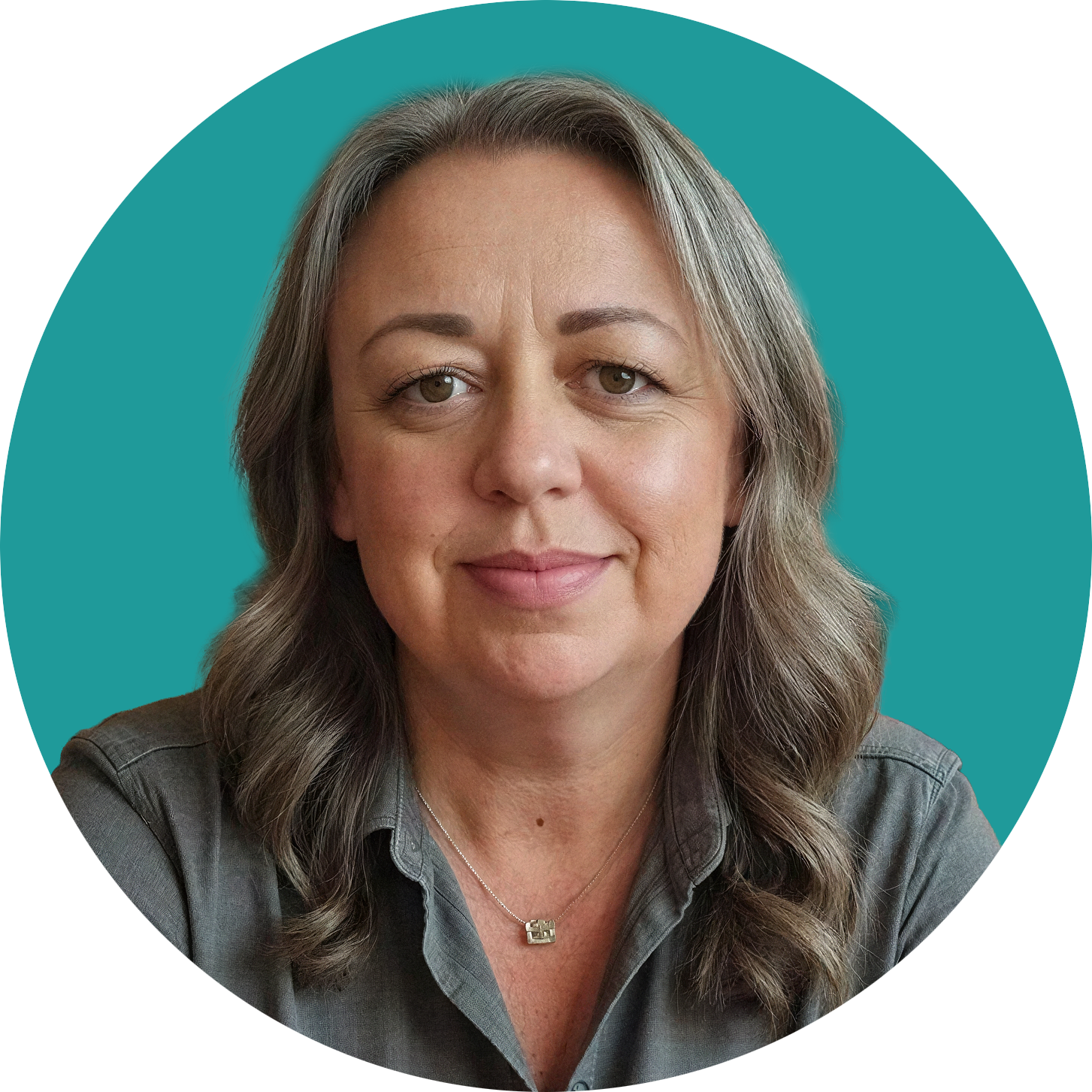
Karen King, Founder of The Escapepreneur® & ESC Hub
Karen King is the founder of The Escapepreneur® and the woman behind the term. After burning out running a six-figure cake business in Australia, she sold everything, left the country, and spent the last 10 years building a freedom-based business across 60+ countries. On No More Somedays, she writes for the online business owner who is smart, tired, and done with waiting for someday to arrive. Honest, practical, zero hype.
Take the Reality Check
Working hard but going nowhere? Answer 10 quick questions and find out what's really been holding you back — and where to start.
Start My Reality Check →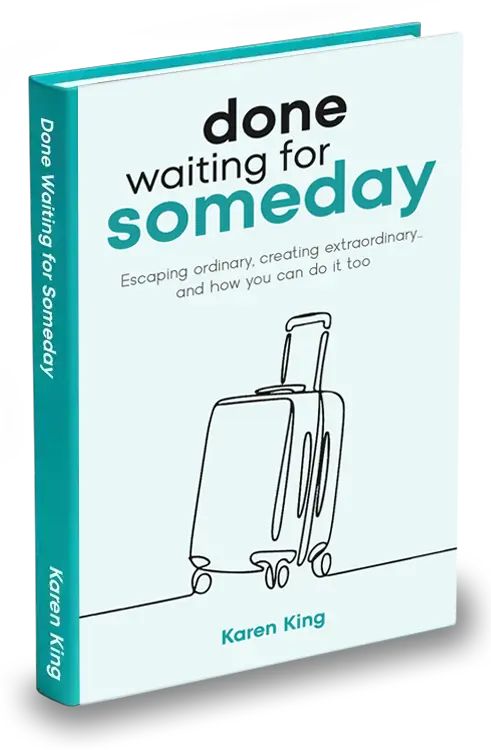
Done Waiting for Someday
The step-by-step path to turning the business you have into the freedom you want.
Get the book →Join The Escape Club
Support, accountability and a room full of people building freedom-first businesses alongside you.
Join the Club →