
Becoming an Online Course Creator: The Smart Move When You're Stuck Trading Hours for Money
You already built the freedom business. You did the brave thing already. And somehow you're still tied to your desk, still trading hours for money, still watching the income flatline while the work climbs.
Becoming an online course creator means packaging what you already know into something people can buy without you being in the room. That's the whole point of it - not another hustle, but a way to stop selling your hours one at a time. For someone who's been at this a while and is frustrated, a course isn't a beginner's dream. It's a smart move.
I know the flavour of stuck you're describing because I lived a version of it. My cake business hit around 50,000 followers and multiple six figures, and I was working 70 to 80 hour weeks, almost for free by the end as copycats undercut me. I had built the prison myself. So let's talk about the exit that isn't burning it all down.
What does an online course creator actually do?
An online course creator takes a skill or a result they can reliably deliver and turns it into a structured, self-paced product - video lessons, worksheets, a clear path from A to B - that people pay for and complete without one-to-one time from you.
That's the definition. Here's the part that matters for you: you are not starting from nothing. You have client work, screenshots, results, objections you've answered a hundred times. Most people trying to become an online course creator are inventing expertise. You're sitting on yours and undercharging for it by the hour.
The shift is quieter than it sounds. You stop asking "how do I get more clients?" and start asking "what do I already know that a hundred people would pay to learn once?" That question changes the shape of your week.
If you've been feeling like the freedom you were promised never quite showed up, the problem usually isn't the lifestyle. As I wrote in why the laptop lifestyle isn't the problem, your stuck business is, the model underneath the laptop is what needs fixing. A course is one of the cleanest ways to fix it.

Why a course multiplies your work, not another side project
It's a boring idea that means everything here: getting paid once per hour versus getting paid again and again for something you made once.
When I ran the cakes, every dollar came from my two hands in a commercial kitchen. There was a hard ceiling and I'd hit my face on it. No amount of marketing fixes a business where you are the product being consumed by the hour. That's the wall a lot of coaches, consultants and service providers eventually hit.
A course breaks that link. You build it once, and it sells while you sleep, while you're on a house sit in Turkey, while you're doing school pick-up. That's not a fantasy - it's just a different unit of sale. The global e-learning market is projected to reach over USD 1 trillion by 2032, which tells you the buyers are already there and already comfortable paying to learn online.
The trap is treating a course like a side project you'll get to eventually. It joins the pile of half-finished ideas. I've written before about how your unfinished projects cost you more than you think - a course only pays off many times over when it actually ships. Half a course is just more unpaid work.
Is being an online course creator worth it if you're already in business?
Yes - and honestly, more so for you than for a beginner. A beginner has to build an audience, prove they know something, and learn to sell, all at once. You've already done at least two of those three.
The reason it doesn't feel worth it is usually that you're picturing the wrong course. You imagine a giant 40-module thing that takes a year to make. That's not what wins. A tight course that solves one specific problem for one specific person will outsell the encyclopaedia every time.
This is where the experienced-but-stuck founder gets tripped up. You know so much that you try to teach all of it. The skill now is narrowing, not adding. I go deep on this in how to niche down without torching everything, because the instinct to keep everything is exactly what keeps the income flat.
Ask yourself one question: what's the single result my best clients came to me for? That result is your course. Not your life's work. One result.
Choosing an online course creator platform without overthinking it
Here's where people lose three months: comparing every online course creator platform on the market before they've written a single lesson. The platform is not the hard part. The offer is the hard part.
You've got broadly three routes:
- All-in-one platforms (Teachable, Thinkific, Kajabi) - they host your videos, take payment, and handle the student experience. Simplest if you want it done for you.
- A free online course creator option - many of these platforms have free or low tiers to launch on, and tools like a private community or even a simple members area can get you started for almost nothing. Perfect for testing before you commit.
- Your own stack - your website plus a payment tool plus video hosting. More control, more setup.
My rule after building a lot of things I didn't need: start on the cheapest thing that lets you get paid, then upgrade once real money is coming in. Do not build the mansion before you know anyone wants to visit.
One warning from hard experience. Facebook deleted my 13,000-family community overnight - years of work gone in a click. So whatever online course creator platform you pick, own your email list and your customer relationship. Never build your whole business only on rented land.

How do you build a course when you already know too much?
The blank-page problem for an expert isn't "what do I say." It's "where do I stop." You've got years of knowledge and it all feels essential.
Start at the end. Write down the exact outcome a student will have when they finish. Then reverse-engineer the shortest path to get them there. Every lesson either moves them along that path or it gets cut. Your bonus opinions, edge cases and pet theories go in a "someday" file, not the course.
Record it ugly. The first version does not need studio lighting or a course platform with 400 features. It needs to work. I've built a life across 60-plus countries by saying yes before I was ready and fixing it in motion - that's the same energy a first course needs. Ship version one, then improve it with real feedback.
If focus is the thing you keep losing, you're not alone and it's not a character flaw. I've got ADHD and a genuine gift for starting fourteen things - the freedom I have now only arrived once I finally focused on one. My honest take on that is in how to pick one thing when you're stuck doing everything.
What comes after your first course sells?
A course rarely lives alone. Once you've proven people will pay for what you know, you've got options that compound.
You can stack a higher-priced coaching offer behind it for people who want more help. You can turn the whole thing into recurring income, which is where a lot of experienced founders find the freedom finally sticks - I wrote about that in why a membership business might be the freedom model you've been missing. And you can use the course as the front door to everything else you sell.
The point is this: your first course is not the destination. It's the first thing you've built that earns without you present. That single shift - from selling hours to selling something you made once - is usually what people meant when they said they wanted a freedom business in the first place.
I'm still building, still in the middle of this myself. The difference now is that the money and the freedom arrived together, and they arrived because I stopped trading every hour for every dollar.
Frequently Asked Questions
Do I need a big audience to become an online course creator?
No. If you're already running a service or coaching business, you have clients, testimonials and a reputation - that's enough to launch to. A small, warm list of the right people beats a huge cold audience.
What's the best free online course creator platform to start on?
Most major platforms like Teachable and Thinkific have free or low-cost starter tiers, and you can even run a first version through a simple members area or private community. Start with whatever lets you get paid fastest, then upgrade once real sales come in.
How long should my first online course be?
Shorter than you think. A focused course that delivers one specific result usually outperforms a sprawling one. Aim to get a student from A to B in the fewest lessons possible.
How much can an online course creator realistically earn?
It varies widely and depends on your price, audience and offer. The real value is that you build once and sell repeatedly, which removes the hard income ceiling of hourly work.
Is a course better than more one-to-one clients?
For breaking the hours-for-money trap, yes. One-to-one work has a hard ceiling because you're the product. A course lets your knowledge sell without your time attached to each sale.
If you're reading this nodding but also certain that something in your current business is the real blocker, sort that first. Run your situation through The Reality Check to pin down exactly where you're stuck before you build the course - because a course built on a broken model just gives you a faster way to stay busy. Get honest about the diagnosis, then go make the one thing that finally earns without you in the room.
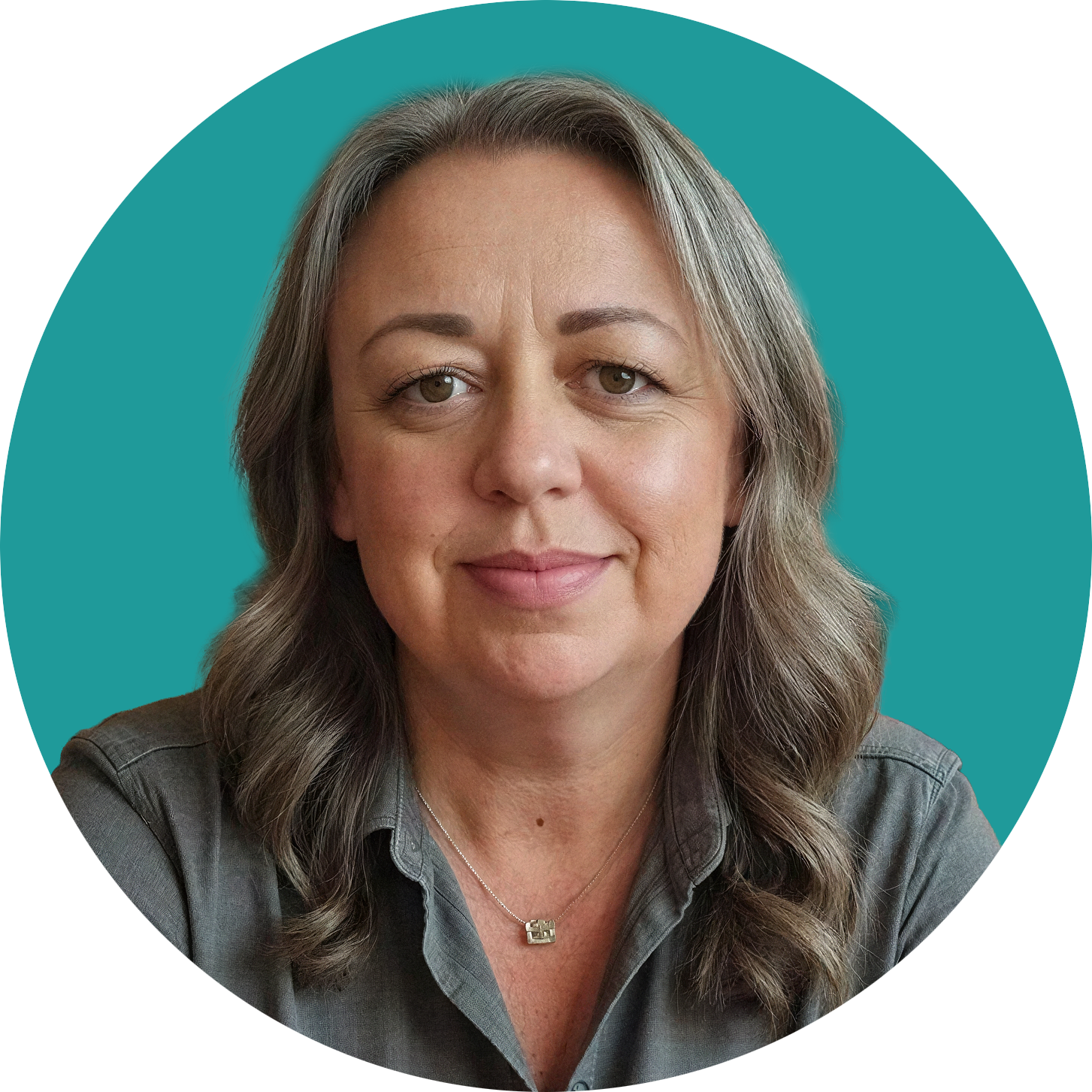
Karen King, Founder of The Escapepreneur® & ESC Hub
Karen King is the founder of The Escapepreneur® and the woman behind the term. After burning out running a six-figure cake business in Australia, she sold everything, left the country, and spent the last 10 years building a freedom-based business across 60+ countries. On No More Somedays, she writes for the online business owner who is smart, tired, and done with waiting for someday to arrive. Honest, practical, zero hype.
Take the Reality Check
Working hard but going nowhere? Answer 10 quick questions and find out what's really been holding you back — and where to start.
Start My Reality Check →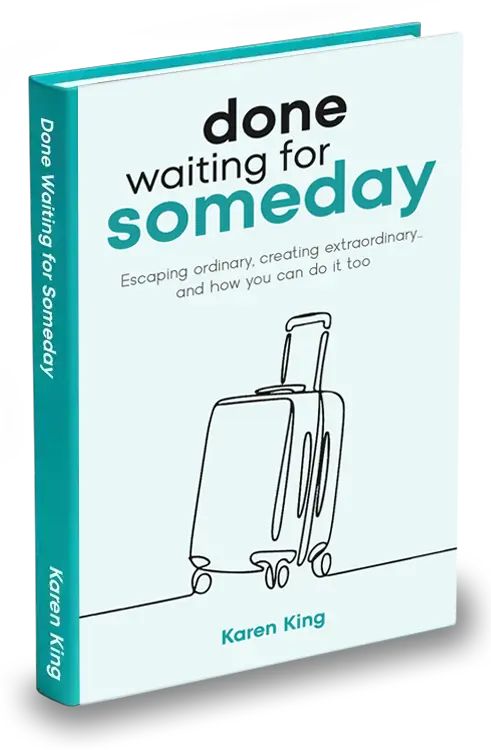
Done Waiting for Someday
The step-by-step path to turning the business you have into the freedom you want.
Get the book →Join The Escape Club
Support, accountability and a room full of people building freedom-first businesses alongside you.
Join the Club →