
Passion for Profit: Why Loving What You Do Isn't Paying You (Yet)
You did the thing everyone told you to do. You built a business around something you actually care about. And somewhere along the way, you looked up and realised the passion is still there, but the profit never quite showed up the way you pictured. You are busy. You are good at what you do. You are still not free.
Turning passion for profit means building a business where the thing you love to do also pays you properly - enough money and enough freedom that you would choose this life again on purpose. It is not a mindset trick. It is a structure problem, and structure can be fixed.
I know this one from the inside. I ran a cake business I adored right into the ground of 70 to 80 hour weeks, working almost for free while copycats undercut me. I loved the work. The work was still a prison. Loving it was never the problem.
Why passion for profit breaks down once you are well in
Here is what nobody tells you at the start. Passion gets you moving. It does not keep you paid.
My cake business, Cakes by Karen, started as an accidental Facebook page when my daughter was eight weeks old. One hundred followers and nine orders in 48 hours. It grew to a commercial kitchen, around 50,000 followers and multiple six figures. On paper it looked like a dream.
Underneath it, I had built a machine that only ran when I ran it. Every sale needed my hands. Every dollar needed my hours. The more people loved my work, the more of me it demanded, and the price never moved because someone down the road would always do it cheaper.
That is the trap most people hit when they try to turn passion and profit into the same thing. They sell their time and their skill directly, one transaction at a time, and then wonder why more effort does not equal more money. It cannot. You only have so many hours, and passion does not add more to the day.
The stuck feeling you have is not a sign you chose the wrong thing. It is usually a sign you built the right thing in a shape that can never pay you what you are worth.
What actually turns passion into profit?
Passion turns into profit when you stop selling your hands and start selling the outcome, the system, or the knowledge behind what you do. The passion stays. The delivery changes so the business can earn without consuming every hour you have.
Think about the difference. Baking one cake for one customer is selling your hands. Teaching 200 people how to run a home cake business, or building a product they buy without you present, is selling what you know. Same passion. Completely different ceiling.
This is the shift I see stall women who are otherwise brilliant at what they do. They are so close to the work they cannot see it as anything other than the work. The idea that the thing they do by hand could become a course, a membership, a service with a team, or a product feels like cheating somehow.
It is not cheating. It is the only version where you get to keep the passion AND get your life back.
If you have been running a service business that still leans entirely on you, the fix usually starts with honestly diagnosing where the money leaks out. I wrote about this in detail for people whose coaching business is not paying them what it should, and the same pattern shows up whether you coach, bake, write or design.
The problem is rarely the passion - it is the focus
Now, a hard one, because I have lived it. Sometimes the reason passion into profit is not happening is that you have too many passions and none of them is being finished.
I was diagnosed with ADHD in 2023. It explained a lot. I am ambitious and curious, I have tried everything, and I struggled financially for years because I never stuck to one thing long enough for it to pay. My line for it is that I did the right things in the wrong order.
The freedom I have now - 60-plus countries, world-schooling my kids, over $250,000 saved through 80-plus house sits - did not arrive when I found the perfect passion. It arrived when I finally focused on one.
If you are honest and you have three half-built offers, a course you never launched and two Instagram accounts, the money is not hiding. It is spread so thin across everything that none of it can grow. Your unfinished projects are costing you more than you think, and it is worth counting the real cost before you start yet another new thing.
Picking one is the hardest and most valuable move most stuck business owners can make. I have written a whole piece on how to pick one thing when you are stuck doing everything, because this is the wall I hit again and again, and it is the wall I most often watch other people hit too.
Make money doing what you love without turning it into a prison
Let me be blunt about the phrase "make money doing what you love", because it gets sold as pure upside and it is not.
You can absolutely make money doing what you love. You can also destroy the thing you love by building it wrong. I nearly did. My three-year-old once painted a Mother's Day picture that said her favourite thing to do on the weekend was watch me sleep, because I was so wrecked from the business I loved. That was the smack in the face I needed.
Loving your work is not protection against burnout. If anything it is a risk, because you will tolerate hours and prices you would never accept for work you hated. You will call it passion right up until it flattens you.
So the real test is not "do I love this". It is "does the way I have built this let me keep loving it". A business that pays you well and gives you your weekends back is one you will still love in ten years. One that eats your evenings is one you will quietly start to resent, no matter how good the craft is.
Passion is not renewable if you spend it faster than it comes back.

Is chasing passion for profit even realistic?
Fair question, and I am not going to hand you a motivational poster. The data on small business is sobering. Around 20% of new businesses fail in the first year and roughly half are gone within five years, according to the US Bureau of Labor Statistics. Passion alone does not beat those odds.
But you are not a new business. You have already survived the part that kills most people. That is not a small thing - it means the demand is real and the skill is real. What is missing is the model, not the market.
That changes the whole conversation. You are not trying to prove the idea works. You are trying to rebuild it into a shape that pays you. That is a far better position to be in than starting from zero, even though it rarely feels like it when you are exhausted and underpaid.
I did not build my freedom by finding a magic new passion. I took two words I scribbled on a plane out of Bolivia when I first read The 4-Hour Work Week - travel, help people - and eventually built something around them that could actually run without draining me. It took years and a lot of failed attempts. Escapepreneur itself only arrived as a word on an early morning walk in Edinburgh, after years of people asking how I actually did this.
The point is that focus and a workable model beat passion every single time. Passion is the fuel. It is not the engine.
How do you turn your passion into profit that lasts?
Here is the honest sequence I would give the version of me who was drowning in cake orders.
- Name the one thing. Not three. One. The offer, audience and problem you will commit to for the next 12 months.
- Find where your time is being sold cheaply. Any place where more effort is the only way to make more money is a place that will keep you poor and tired.
- Turn your hands into knowledge or systems. Package what you know, hire the parts that do not need you, or build something people buy without you present.
- Own your platform. Facebook deleted a 13,000-family community I built overnight. I never build only on rented land again, and neither should you.
- Protect the love. Design the week you actually want first, then build the business to fit it. Not the other way around.
That last point is the one most people do backwards. They build the business and hope freedom falls out of it. It rarely does. If you are staring down a bigger change than a business tweak, my post on making a career change when you already know you want more walks through moving when the itch is loud but the path is not obvious.
Frequently Asked Questions
What does turning passion for profit actually mean?
It means building a business where the work you love also pays you properly, with enough income and enough freedom that you would choose it again on purpose. The passion stays the same. The way you deliver and price it changes so the business can earn without eating all your hours.
Why is my passion business not making money after all this effort?
Usually because it is built to sell your time or your hands one transaction at a time, so more effort cannot mean more money once your hours are full. The other common reason is too many half-finished projects, which spreads your energy so thin that nothing grows.
Can you really make money doing what you love?
Yes, but loving the work is not protection against burnout - if anything it makes you tolerate bad hours and low prices. The test is whether the way you have built it lets you keep loving it in ten years, not just whether you enjoy it today.
Is it too late to turn my passion into profit if I have been at it a while?
No. Surviving this long means the demand and the skill are already proven, which is the hard part. What is usually missing is a better model, not a better market, and that is far easier to fix than starting from zero.
If any of this landed a little too close, the next move is not another new idea. It is working out exactly where your current business is leaking money and freedom so you can fix the model instead of adding more effort to a broken one. My Reality Check is built for exactly this moment - capable, invested, and quietly stuck - and it will show you where the real problem is before you spend another year running harder on the same wheel. You already chose freedom once. This is just choosing it properly.
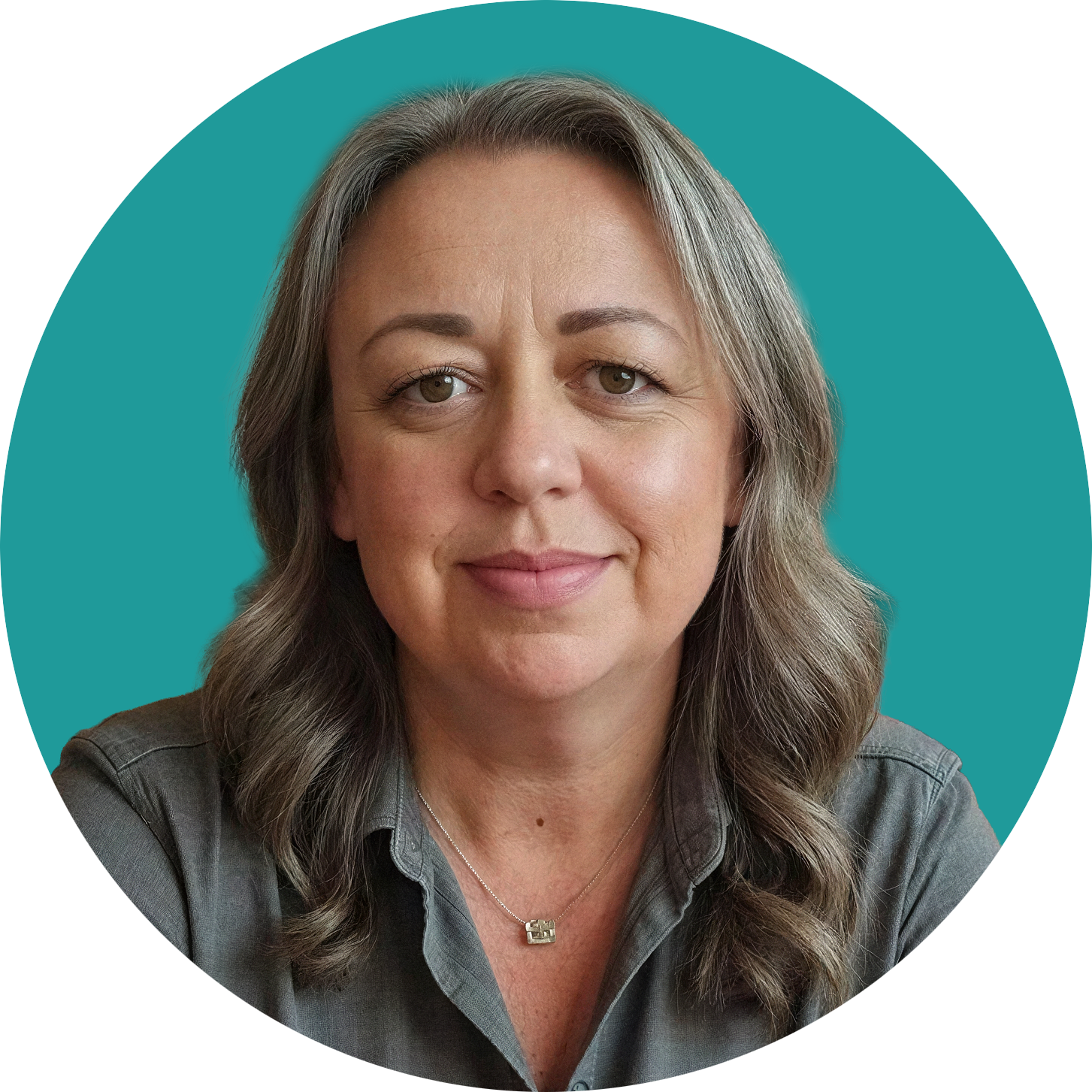
Karen King — Founder, The Escapepreneur™ & ESC Hub
Karen King is the founder of The Escapepreneur™ and the woman behind the term. After burning out running a six-figure cake business in Australia, she sold everything, left the country, and spent the last 10 years building a freedom-based business across 60+ countries. On No More Somedays, she writes for the online business owner who is smart, tired, and quietly done with waiting for someday to arrive. Honest, practical, zero hype.
Take the Reality Check
Working hard but going nowhere? Answer 10 quick questions and find out what's really been holding you back — and where to start.
Start My Reality Check →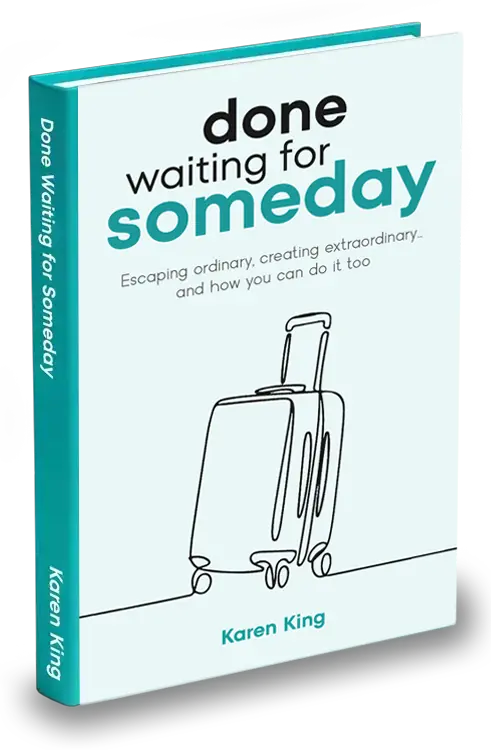
Done Waiting for Someday
The step-by-step path to turning the business you have into the freedom you want.
Get the book →Join The Escape Club
Support, accountability and a room full of people building freedom-first businesses alongside you.
Join the Club →