
What Is a Digital Nomad? And Does the Label Still Fit the Freedom You Wanted?
You built this business to be free. Maybe you pictured a laptop, a beach, and a bank balance that finally matched the effort. And somewhere along the way you started wondering whether "digital nomad" is even the thing you were chasing - or just a hashtag that got attached to a much bigger want.
So let's answer the question first, then get honest about it. A digital nomad is someone who earns their income online and uses that freedom to live and work from anywhere, without a fixed home base. That's the definition. But the definition was never your problem. The gap between that picture and your actual bank balance is your problem, and I want to talk about that.
I've been location-independent since January 2016. Sixty-plus countries, world-schooling my kids, more than 80 house sits. I know the label from the inside. And I can tell you the word itself has almost nothing to do with whether you get free.
What is a digital nomad, really?
The plain answer: a digital nomad is a person whose work is fully portable - done over the internet - so they can move between cities and countries while still earning. No office, no fixed address required. That's the digital nomad meaning most articles stop at.
The word itself is fairly young. It was popularised by Tsugio Makimoto and David Manners in their 1997 book Digital Nomad, back when the tech to actually do it barely existed. Now it's a whole category. As of 2024 there were an estimated 18.1 million American digital nomads, according to MBO Partners - and that's just one country.
So the concept is real and it's not niche anymore. But here's what nobody puts in the definition: being a digital nomad is a lifestyle outcome, not a business model. It's what becomes possible once the money and the freedom actually work. The label describes the view from the finish line, not the road that gets you there.
That distinction matters more than it sounds, especially if you've been building for a while and still feel stuck.

The label describes a lifestyle, not the thing that pays for it
Here's where a lot of women get stuck. They fall in love with the image of the digital nomad - the co-working café in Lisbon, the slow mornings, the passport stamps - and they organise their whole business around the aesthetic instead of the income.
I get it. I did a softer version of the same thing. When I ran Cakes by Karen back in Australia, I loved the work. It started as an accidental Facebook page when my daughter was eight weeks old - 100 followers and 9 orders in 48 hours. It grew to a commercial kitchen, around 50,000 followers, multiple six figures.
And it became a prison. Seventy to eighty hour weeks. Copycats undercutting me until I was almost working for free. I had a business that looked like success and felt like a cage. The turning point was my three-year-old's Mother's Day painting: "My mum's favourite thing to do on the weekend is sleep."
The point is this: I had the thing that was supposed to make me free, and it didn't, because I'd built it wrong for the life I actually wanted. Calling yourself a digital nomad won't fix that. The laptop lifestyle isn't the problem - a stuck business is, and no amount of relocating changes the underlying maths.
Why the digital nomad label hides the real problem
When you're stuck, the label becomes a comfortable place to hide. You tell yourself you just need the right city, the right visa, the right café with fast wifi, and then it'll click. It won't.
Geography is the easiest variable to change and the least likely to fix anything. I've watched it up close. Beautiful places don't repair a business that doesn't pay you - I wrote a whole piece on why beauty alone won't fix the stuck feeling, because I kept meeting women who'd moved somewhere gorgeous and were still broke and overwhelmed in paradise.
The real problems usually sit underneath the lifestyle, and they're boring:
- You're selling your time by the hour, so freedom is capped no matter where you sit.
- You've never chosen one offer - you keep starting things and finishing none.
- Your pricing hasn't moved in two years while your skill has doubled.
- You built the whole thing on rented land - one platform, one algorithm.
That last one I learned the hard way. I had a 13,000-family online community that Facebook deleted overnight. Gone. That's why I never build only on someone else's platform again, and why the "nomad" part of the equation is fragile if the business underneath it is.
Is being a digital nomad worth it if you're already in business?
Yes - but not for the reasons Instagram sells. It's worth it because a portable income buys you options most people never get. My family has saved over $250,000 through house sitting alone. We lived in a $250-a-month apartment in Fethiye, Turkey. We skied in Bansko, Bulgaria. My daughter ran the front of house at a boutique hotel at ten years old.
None of that came from being a nomad. It came from having a business that finally worked, which then let us be nomads. The order matters. I "did the right things in the wrong order" for years, and it cost me financially. The freedom arrived when I finally focused.
If you're a few months in or five years in and still waiting for it to pay, the answer isn't to travel harder or relocate cheaper. It's to fix what you're selling and how. That might mean you need to niche down when you're already years in without torching everything you've built - which is harder, and more honest, than picking a new base city.

What does a digital nomad actually do for work?
The honest answer: anything that pays and travels. Freelancing, consulting, coaching, e-commerce, memberships, courses, agencies, writing, design. The job title matters far less than the model behind it.
And this is the mindset shift I want you to sit with. Most people go looking for a magic nomad job - the specific role that will open up the life. But you almost certainly don't need to go find one. If you've already started a business, you already own the vehicle. I made that case in full in this piece on why you don't need a job that lets you travel - because you've got something better and it's just underperforming.
The digital nomad life doesn't reward the person with the trendiest niche. It rewards the person whose income keeps coming in whether they're at their desk or on a train through the Balkans. That's the whole game. Build income that doesn't require your constant presence, and the nomad part sorts itself out.
How do you know if the label still fits you?
Ask yourself one thing: do I want the life, or do I want the label? They're not the same.
The label is an identity. It's fun, it's a community, it's a hashtag you can belong to. The life is quieter and more specific - it's waking up and deciding your own day because your income doesn't depend on you clocking in. You can have the second without ever calling yourself a nomad. Plenty of the freest people I know would never use the word.
I don't lead with "digital nomad" anymore. I use my own word - I built the whole idea of an Escapepreneur on an early-morning walk in Edinburgh, because "nomad" describes where you sleep, not why you left. I left to stop losing myself. The travel was the payoff, not the point.
If the label lit a fire under you three years ago and you're still stuck, don't renew your commitment to the word. Renew your commitment to the freedom underneath it, and be ruthless about what's actually blocking the money.
What to do differently if the freedom hasn't shown up yet
Stop treating location as the lever. Start with the business. Here's what I'd look at, in order:
- One offer, one audience. If you're doing everything for everyone, you're invisible. Pick the thing that pays best and pain hurts most, and get known for it.
- Detach income from hours. Productise. Package. Move toward memberships, courses, or retainers so you're not re-earning your income from zero every month.
- Own your platform. Email list, your own site. Rented land can vanish overnight - I've lived it.
- Raise your prices. Most stuck founders I meet are simply too cheap for the value they deliver.
Boring? Maybe. But this is the difference between someone who calls themselves a digital nomad on LinkedIn and someone who's genuinely free. I'm still building, still in the middle of it. The freedom came when I stopped chasing the aesthetic and fixed the engine.
Frequently Asked Questions
What is a digital nomad in simple terms?
A digital nomad is someone who earns their income online and uses that flexibility to live and work from anywhere, without a fixed home base. The work is fully portable, so the person can move between cities and countries while still getting paid.
What's the difference between a digital nomad and a remote worker?
A remote worker does a job away from an office but usually keeps one home base. A digital nomad has no fixed base and travels while working. The overlap is the online income; the difference is the lifestyle around it.
Do you need your own business to be a digital nomad?
No - some nomads work remote jobs or freelance for clients. But if you already run a business, you already own the most flexible vehicle for it, which is usually easier to shape around travel than a job.
Why do so many digital nomads still struggle financially?
Because they optimise for the lifestyle image instead of the income model. They keep selling their time by the hour or building on one platform, then blame the wrong city when the money doesn't come. The fix is in the business, not the geography.
Is being a digital nomad worth it?
It's worth it when a working, portable income comes first and the travel is the payoff. It's not worth it as a way to escape a business that doesn't pay you - relocating won't fix underlying problems with your offer or pricing.
If you've been sold on the digital nomad dream and it still hasn't paid off, the answer isn't a new base city or a fresh identity - it's an honest look at where your business is actually stuck. That's exactly what The Reality Check is built to do: help you see what's really blocking the money and freedom you started this for, so your next move fixes the engine instead of just changing the view. You've already got the vehicle. Let's get it working.
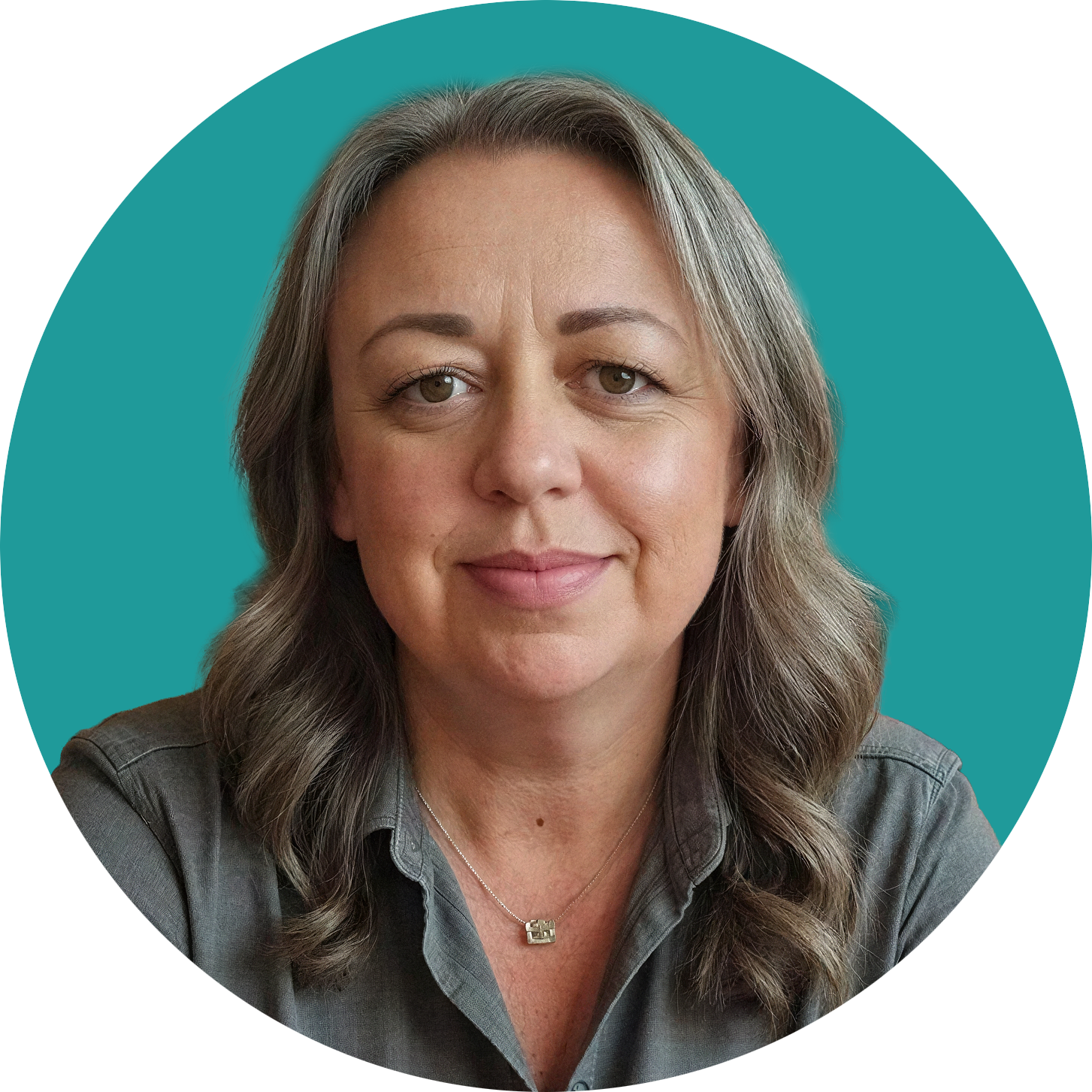
Karen King, Founder of The Escapepreneur® & ESC Hub
Karen King is the founder of The Escapepreneur® and the woman behind the term. After burning out running a six-figure cake business in Australia, she sold everything, left the country, and spent the last 10 years building a freedom-based business across 60+ countries. On No More Somedays, she writes for the online business owner who is smart, tired, and done with waiting for someday to arrive. Honest, practical, zero hype.
Take the Reality Check
Working hard but going nowhere? Answer 10 quick questions and find out what's really been holding you back — and where to start.
Start My Reality Check →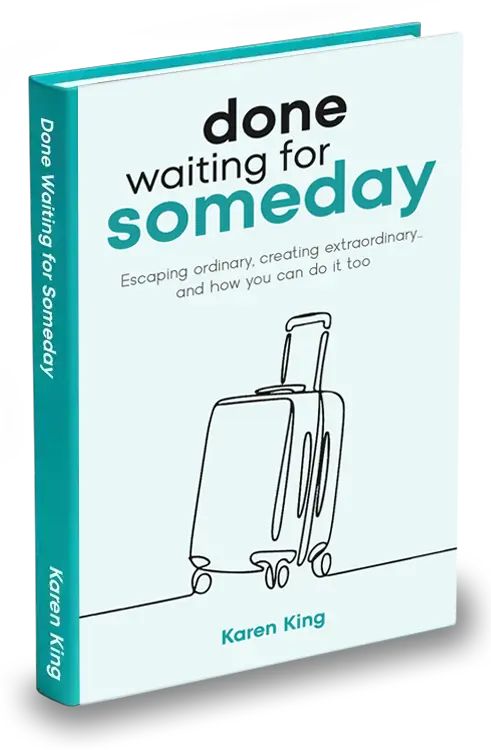
Done Waiting for Someday
The step-by-step path to turning the business you have into the freedom you want.
Get the book →Join The Escape Club
Support, accountability and a room full of people building freedom-first businesses alongside you.
Join the Club →