
Work From Home Jobs Won't Fix the Freedom Business You Already Built
You've got the tab open. Work from home jobs, filtered by "remote", sorted by salary. You already run a business - the one that was supposed to give you freedom - and yet here you are, scrolling job boards at 9pm because the money hasn't shown up and you're tired of waiting for it to.
I want to gently talk you out of hitting apply. Not because a steady paycheque is a bad idea, but because the thing you're trying to escape from is the exact thing you already built to set yourself free. Work from home jobs feel like the safe move when your own business is stalling. Most of the time, they're just a slower way of giving up on it.
Why work from home jobs feel like the answer when your business stalls
Here's the plain version: searching for work from home jobs when you already own a business is almost never a job problem - it's a signal that your current business model has stopped paying you, and the fix is unsticking that model, not swapping it for someone else's payroll.
The pull is real. A job promises a number that lands in your account whether or not you feel confident, whether or not you slept, whether or not this month was slow. Your business promises nothing on a schedule. When you're in that gap between effort and reward, of course a fixed salary looks like rescue.
But notice what you're actually reaching for. It isn't the job. It's the certainty. And certainty is a thing you can build into your own business - you just haven't yet, which is a completely different problem than "I need to go work for Amazon".

What are you really trying to escape?
When I ran Cakes by Karen, I hit the same fork. My accidental little Facebook page had grown to around 50,000 followers and multiple six figures, and I was working 70 to 80 hour weeks, almost for free, as copycats undercut me on price. I remember thinking a normal job would at least come with weekends.
The job wasn't the fix. The model was broken. I was trading hours for cakes with no ceiling and no way to step back. A salary would have solved the exhaustion for exactly as long as I could stand having a boss again, which for me is about four minutes.
So before you fill in another application, get honest about which of these you're actually running from:
- The income is too low or too unpredictable to live on.
- The work has become a prison - long hours, no room to breathe.
- You've lost belief that this particular business will ever pay properly.
- You're bored, and a job feels like permission to stop trying.
Each one points somewhere different. Only one of them - genuine, tried-everything, the-numbers-don't-work certainty - is a real case for going back to employment. The rest are fixable inside the business you already have.
The freedom business you built isn't the problem - the version of it is
Most stuck businesses aren't stuck because the idea was wrong. They're stuck because they carry too much. Too many offers, too many platforms, too many things you said yes to that stopped paying.
When I look at women who feel trapped in the thing they built to feel free, the pattern is almost always overload, not lack. They think they need to add - a new funnel, a new service, a new social channel. What they actually need is to cut. I've written before about why your stuck business has too many moving parts, because this is the single most common reason the money never arrives.
The other pattern is income streams that were never going to pay. You set them up hopefully, they trickle, and you keep them out of loyalty. If that's landing, the honest read on why your income streams aren't paying yet will save you months of guessing.
A remote job doesn't fix either of these. It just parks them. The overload is still there when you come back, only now you're doing it at midnight around a full-time shift.
Is a remote job actually more secure than your business?
We tell ourselves employment is the safe option. It's worth checking that story against reality.
In 2023, U.S. employers announced over 720,000 job cuts, one of the highest totals in years, according to Challenger, Gray & Christmas. A salary feels like solid ground right up until someone else decides it isn't. You don't hold the off switch. Someone else does.
Your own business is unpredictable, yes. But it's unpredictable in a direction you control. You can raise a price. You can cut a dead offer. You can build a new revenue line. You cannot do any of that inside a job - there, your income has a hard ceiling and a stranger's finger on the trigger.
That's the part the job-board scroll makes you forget. The freedom you built has a fault, and the fault is fixable. The job's fault - that you don't own it - is baked in.

What to do instead of applying
If the real issue is money, don't add. Subtract, then focus what's left. Pick the one offer that has ever reliably paid you and ask why it isn't paying more - price, audience, or how often you actually put it in front of people. Usually it's one of those three, not all of them.
If the real issue is exhaustion, understand this: rest won't fix it if the model is the problem. I learned that the hard way when my three-year-old painted a Mother's Day picture that said her mum's favourite weekend thing was "sleep". That wasn't a tiredness I could nap off. The burnout was a sign the business model had stopped working for me, and a job would have carried the same broken trade into a new building.
If the real issue is belief, that's the one to sit with honestly. Sometimes belief is low because the business genuinely isn't viable. Far more often it's low because you're too close, too tired, and comparing your slow middle to someone else's edited highlight.
Here's the test I'd use. If you handed your business to a clear-eyed stranger with your skills and none of your fatigue, could they make it pay? If the answer is yes - and for most women searching work from home jobs, it is - then the job is a detour, not a destination.
When a work from home job actually is the right move
I'm not going to pretend a job is always wrong. Sometimes a short season of steady income is the smartest thing you can do - to clear a debt, to buy runway, to stop the panic that makes you price everything too low out of fear.
If you take one, take it on purpose. Make it the scaffolding, not the building. Keep the business alive on the side, keep the one offer that pays, and set a date to reassess. A job as a deliberate bridge is very different from a job as a quiet surrender.
What I'd never do is let the paycheque lull you into abandoning the thing that can actually give you your life back. I sold a lifetime of possessions for $10k and left Australia deliberately homeless in January 2016 because I finally understood the freedom I wanted was on the other side of my own business, not anyone else's. Sixty-plus countries later, that's still true.
Frequently Asked Questions
Are work from home jobs a good idea if my business isn't making money?
Only as a deliberate, temporary bridge. If your business could pay with a clearer model or a focused offer, a job just parks the problem instead of solving it - and your income goes back to having a ceiling and a boss.
How do I know if my business is fixable or genuinely not working?
Ask whether a skilled, rested stranger could make it pay. If yes, the issue is usually overload, pricing, or exhaustion - all fixable. If no, after honest effort and real numbers, then a job or a new direction is fair.
Isn't a salary more secure than running my own business?
It feels that way, but a salary comes with a hard income ceiling and someone else deciding if you keep it. Your business is unpredictable in a direction you control, which is a different kind of security.
What should I fix first in a stuck freedom business?
Cut before you add. Keep the offer that has reliably paid, drop the streams and platforms that don't, then work on price, audience, and how often you actually sell the thing that works.
You didn't build a business to end up back on a job board. The version you're running just needs unsticking, and that's a far more hopeful problem than it feels like at 9pm with the applications open. Start by running your business through The Reality Check to see exactly where it's leaking money and time - then fix that, instead of handing your freedom to someone else's payroll.
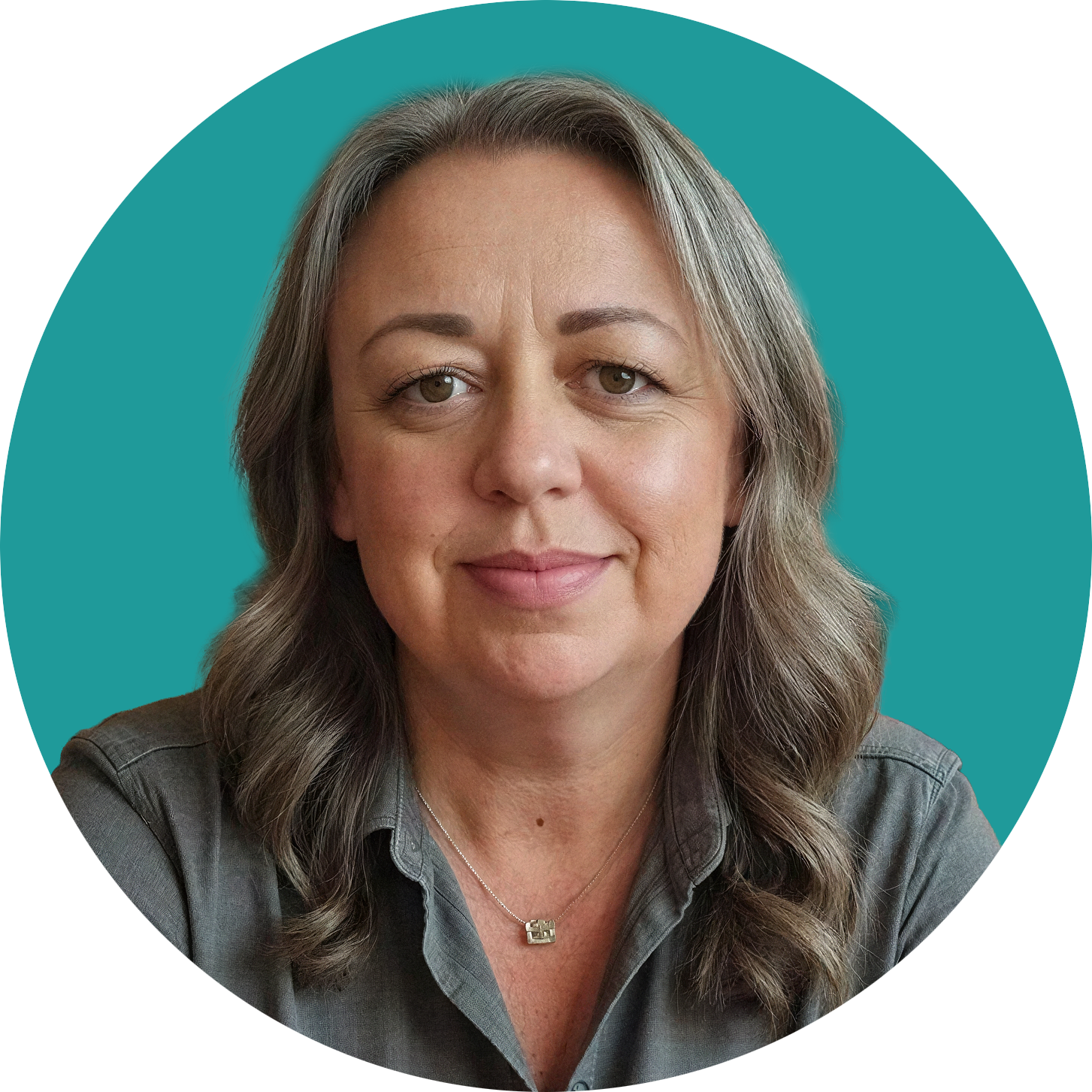
Karen King, Founder of The Escapepreneur® & ESC Hub
Karen King is the founder of The Escapepreneur® and the woman behind the term. After burning out running a six-figure cake business in Australia, she sold everything, left the country, and spent the last 10 years building a freedom-based business across 60+ countries. On No More Somedays, she writes for the online business owner who is smart, tired, and done with waiting for someday to arrive. Honest, practical, zero hype.
Take the Reality Check
Working hard but going nowhere? Answer 10 quick questions and find out what's really been holding you back — and where to start.
Start My Reality Check →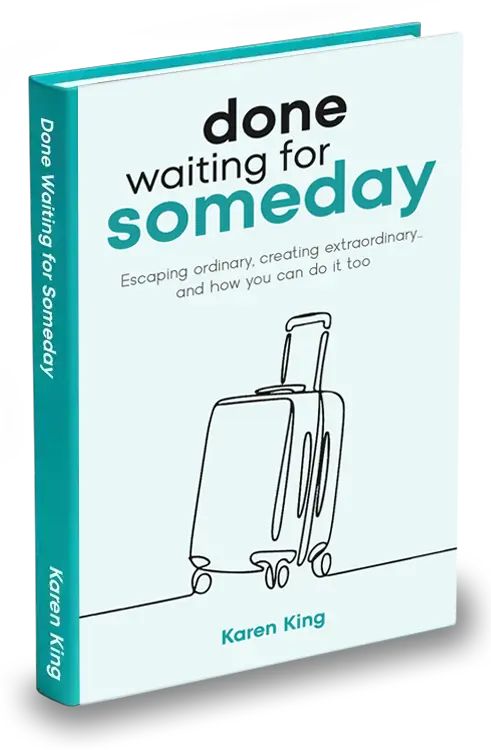
Done Waiting for Someday
The step-by-step path to turning the business you have into the freedom you want.
Get the book →Join The Escape Club
Support, accountability and a room full of people building freedom-first businesses alongside you.
Join the Club →