
Chase Your Dreams Is Bad Advice When You're Already Chasing
You've been told to chase your dreams so many times the phrase has gone numb. And you did chase them. You started the business, you gave up the safe salary, you built something that was supposed to give you freedom - and here you are, however long you've been at this, working harder than you ever did as an employee and wondering where the freedom went.
Let me say the useful version of it. When you already run a business, to chase your dreams doesn't mean wanting harder or believing more. It means finding the one thing that is holding your income and your time hostage, and fixing that - not adding another dream on top of the pile.
I've been where you are. I ran a cake business that grew to around 50,000 followers and did multiple six figures, and it became a prison of 70 to 80 hour weeks while copycats undercut me until I was almost working for free. The dream was real. The way I was living inside it was not freedom. This isn't a pep talk. It's the concrete next move.
What does "chase your dreams" actually mean when you're already in business?
For a beginner, "chase your dreams" means start. For you, it means diagnose. You've done the starting. The gap between where you are and where you wanted to be is not a motivation problem - it's usually one or two structural things you've been too busy to look at.
I know the temptation. When something isn't working, the instinct is to want it more, to hustle harder, to add a new offer or a new platform. That's chasing a feeling. The move that changes your numbers is boring by comparison: pick the actual bottleneck and deal with it.
Motivation is not your missing ingredient. You got yourself off the salary and into the arena. That already proves you don't lack drive. What most stuck founders lack is honesty about which part of the machine is broken.

Why "chasing your dreams" harder makes it worse
Here is the trap I see constantly. A business isn't paying enough, so the owner decides the answer is more. More offers, more content, more launches, more platforms. Every one of those is a new thing to maintain, and none of them fix the reason the last thing didn't pay.
I did this with cakes. Every time growth felt shaky, I said yes to more orders, lower prices, longer hours. The business got bigger and my life got smaller. Chasing your dreams by piling on volume is how you end up with a busy business that owns you.
There's a pattern behind this, and if you've ever left a trail of half-built projects you'll recognise it. I write about how your unfinished projects are costing you more than you think, because scattered energy feels like ambition and is actually the thing keeping you broke.
I know that firsthand. I was diagnosed with ADHD in 2023, and for years the cost of never sticking to one thing was measured in dollars I didn't earn. My freedom didn't come from wanting it more. It came the moment I finally focused.
5 ways to achieve your dreams when you're stuck (the concrete version)
You've read the "5 ways to achieve your dreams" listicles before, and they say things like "believe in yourself" and "take action." Useless to you. Here's the version for someone already running a business that isn't paying what it should.
1. Name the one bottleneck
Not five problems. One. Is it that you don't have enough leads, or that you have leads and they don't buy, or that they buy and it doesn't pay you enough for the hours? Those are three completely different fixes. Pick the true one.
2. Cut before you add
Look at everything you currently do and find what you can stop. The offer that drains you, the platform that returns nothing, the client type that eats your week. Freedom is usually on the other side of subtraction, not addition.
3. Fix your pricing before your marketing
Most stuck founders are underpriced, not under-marketed. If your maths only works at 70 hours a week, no amount of new traffic saves you. This is the exact wall my passion isn't paying me yet problem was built on.
4. Choose one thing and commit to a season
Pick the single offer or direction with the best return and give it a real run - a quarter, not a fortnight. If you've been doing everything, this is where the money is. I go deep on how to pick one thing when you're stuck doing everything, because it was the hardest and most profitable move I made.
5. Build on ground you own
Facebook once deleted a 13,000-family community I'd built overnight. Gone. That's why I never build only on rented land. If your whole business lives on a platform you don't control, your dream has a landlord.

How do you know you're chasing the right dream at all?
Sometimes stuck isn't a structure problem. Sometimes you're grinding away at a version of the dream you've outgrown. That's a different question and it deserves an honest answer.
I got mine the hard way. My three-year-old painted a Mother's Day card that said her mum's favourite thing to do on the weekend was sleep. That was the smack in the face. And later, reading The 4-Hour Work Week on a plane, I tried to answer "if money were no object, what would you do?" and could only write two words - travel, help people. I'd lost myself inside a business I loved.
If your answer to that question has drifted from what you're actually doing all day, no bottleneck fix will feel like enough. You may need to point the same business at a slightly different target. That's not failure - it's course correction, and the founders who do it are the ones who last.
Ambition tends to get quieter after years of grind, not because you stopped caring but because you stopped winning. If that's you, it's worth reading why your confidence dropped after years in business - because getting it back is usually a matter of one small win, not a personality overhaul.
Is it too late to chase your dreams after years in business?
No, and the data backs this up. Research on entrepreneurs found the average age of a successful startup founder is 45, and a 50-year-old founder is nearly twice as likely to build a top-growth company as a 30-year-old, according to Harvard Business Review. Experience is not the thing holding you back. It's your unfair advantage.
You know your market. You've made mistakes a beginner hasn't made yet. You've survived the part where most people quit. To chase your dreams from here is not starting over - it's using everything you already know to fix the thing that's leaking.
I left Australia in January 2016, deliberately homeless, having sold a lifetime of possessions for about $10,000. Since then it's been 60-plus countries, world-schooling the kids, and over 80 house sits that saved us more than $250,000. None of that came from a fresh burst of dreaming. It came from stopping one thing that wasn't working and building the next thing on purpose.
I'm still building. I'm still in the middle of it. The point isn't to arrive - it's to stop mistaking motion for progress.
Frequently Asked Questions
What does "chase your dreams" mean if I already run a business?
It means diagnose, not motivate. You've already started, so your next move is finding the one bottleneck holding your income or time hostage and fixing that, rather than adding another goal on top.
Why isn't my freedom business paying me the way I expected?
Usually it's structural, not effort-based. The most common culprits are underpricing, doing too many things at once, or building on a platform you don't control. Fix the structure and the numbers move.
Is it too late to change direction after years in business?
No. The research on founder age shows your years in the market are an advantage, not a liability, when you point them at the right target.
Should I add a new offer or fix the existing one?
Fix the existing one first. Adding is the instinct that keeps stuck founders busy and broke. Cut before you add, price properly, then commit to one direction for a full season before judging it.
You don't need more permission to chase your dreams - you need an honest look at where your existing business is stuck and one clear thing to change. That's exactly what I built The Reality Check for: to help you name what isn't working and pick your next move instead of piling another dream on the heap. Start there, be honest about your answers, and choose the one fix that actually frees up your time and your income.
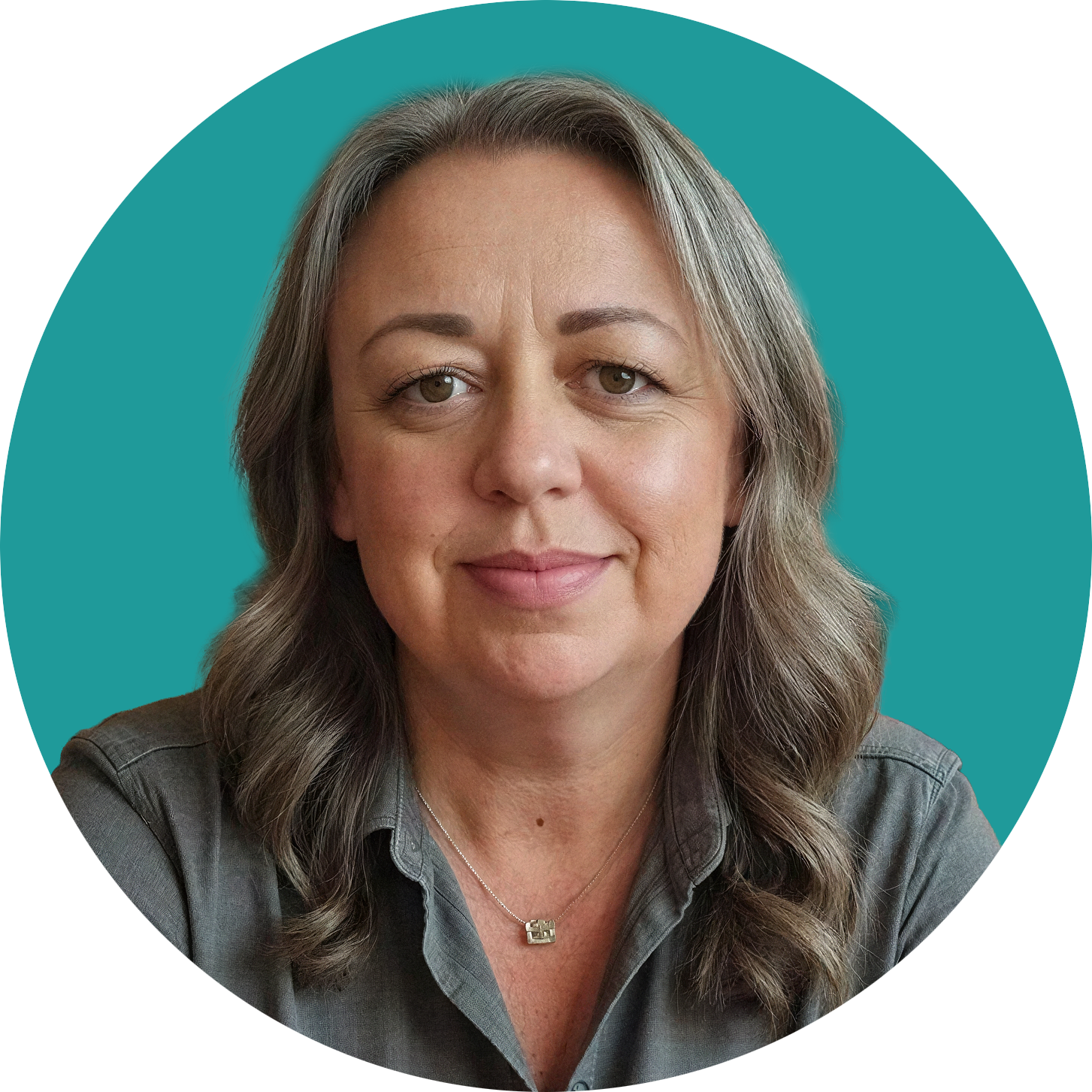
Karen King, Founder of The Escapepreneur® & ESC Hub
Karen King is the founder of The Escapepreneur® and the woman behind the term. After burning out running a six-figure cake business in Australia, she sold everything, left the country, and spent the last 10 years building a freedom-based business across 60+ countries. On No More Somedays, she writes for the online business owner who is smart, tired, and done with waiting for someday to arrive. Honest, practical, zero hype.
Take the Reality Check
Working hard but going nowhere? Answer 10 quick questions and find out what's really been holding you back — and where to start.
Start My Reality Check →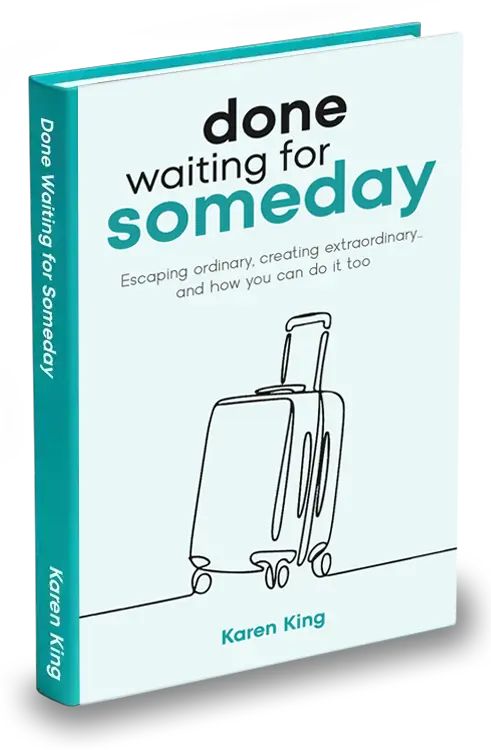
Done Waiting for Someday
The step-by-step path to turning the business you have into the freedom you want.
Get the book →Join The Escape Club
Support, accountability and a room full of people building freedom-first businesses alongside you.
Join the Club →