
Graphic Design Jobs Aren't the Ceiling: How to Package Your Skills Into Freedom
You are good at this. You have the portfolio, the years, the software muscle memory, and a client list who keep coming back. And yet most graphic design jobs - freelance or salaried - still hand you the same deal: your time in exchange for their money. Run out of hours and you run out of income.
That is the wall so many talented designers hit five, seven, ten years in. Not a skills problem. A model problem.
The good news is that graphic design is one of the easier skill sets to turn into something that pays you while you sleep, travel, or take a Tuesday off without asking anyone. You just have to stop selling hours and start selling the thing your hours produce.
Why graphic design jobs cap your income and your freedom
Here is the plain answer: most graphic design jobs cap you because they price your work by time, not by value, so your income and your freedom are both tied to the number of hours you can physically stay at the desk.
Whether you are on a salary or billing clients, the maths is the same. There are only so many hours in a week. When those hours are full, growth means working more of them, hiring people to work them for you, or raising rates until clients flinch.
I know this trap intimately, just from a different industry. I built a cake business almost by accident - a Facebook page started when my daughter was eight weeks old, 100 followers and nine orders in 48 hours. It grew to a commercial kitchen, around 50,000 followers and multiple six figures.
I loved it. Then it became a prison. Seventy to eighty hour weeks, and I was almost working for free as copycats undercut my prices. The more successful I looked, the more trapped I actually was. Sound familiar?
The moment it broke open was my three-year-old's Mother's Day painting: "My mum's favourite thing to do on the weekend is sleep." That was a smack in the face. All that skill, all that demand, and I had built myself a job I couldn't step away from.

Trading skill for a product instead of hours
The shift that changes everything is simple to say and harder to do: package what you know into something you make once and sell many times.
Design is unusually well suited to this. Your work is already digital, already visual, already something people want to buy off the shelf. You are sitting on inventory you keep giving away one client at a time.
Think about what you already produce for custom clients and where it could become a product instead:
- Templates - social media kits, pitch decks, resume packs, Canva sets, email newsletter layouts
- Fonts, icon sets, illustrations and mockups sold on marketplaces or your own store
- Brand kits and starter systems for a specific niche (think coaches, cafes, real estate)
- Digital courses teaching the exact process clients pay you to do for them
- A membership where you drop new assets or feedback every month
That last one matters more than people realise. A recurring product is the closest thing design has to a salary you actually own. I write more about why a membership business might be the freedom model you've been missing, because it solves the exact "start from zero every month" problem that eats freelance designers alive.
None of this means abandoning clients. It means the clients stop being the only thing keeping the lights on.
What actually sells (and what designers waste months building)
The designers who make this work do not start by building the prettiest thing. They start by watching what people already ask them for.
Your inbox is market research. Every time a client says "can you just make me a quick template for this?" or "do you have something I can reuse?" - that is a paying product knocking on the door. You have simply been answering it as a one-off custom job.
Demand for design is steady and not going away, which is on your side here. The U.S. Bureau of Labor Statistics projects around 3% growth in graphic designer roles through 2033, with roughly 21,000 openings a year. Demand for visual work is not the problem. Owning your slice of it is.
Where designers lose months is building elaborate products nobody validated. A 40-lesson course before anyone asked for one. A sprawling template library covering ten niches instead of nailing one.
Pick the one thing your best clients keep needing and build the smallest useful version of it first. If you struggle to choose - and creative people almost always do - I wrote a whole piece on how to pick one thing when you're stuck doing everything, because scattering your energy is the quiet killer here.

How to make the switch without torching your income
You do not quit clients on Monday and launch a full product line on Tuesday. That is how people panic and crawl back to full-time graphic design jobs six months later.
You build the new thing alongside the old one. Keep the client work paying the bills while you carve out even five hours a week for the product side. Boring, but it works.
Here is a practical order that keeps the cash flowing:
- Audit your last 12 months. What did clients ask for most? What did you enjoy? Where do those overlap?
- Package one product. One template pack, one mini-course, one brand kit. Small enough to finish in a month.
- Sell it before it's perfect. Pre-sell to your existing client base and audience. Their money tells you the truth.
- Reinvest the time, not just the money. Every product sale should buy back an hour you'd otherwise sell to a client.
The mental part is harder than the mechanical part. Going from "I'm the best designer you can hire" to "I sell a $49 product" can feel like a step down, even though it is the step that buys your freedom. That drop in certainty is normal, and I've written about why confidence in business dips after years in and how to get it back.
Where the freedom actually comes from
I want to be honest about the timeline, because I lived a longer version of it than I'd like to admit.
For years I was ambitious, curious, and broke - I tried everything and stuck to nothing. The freedom only arrived once I finally focused on one thing long enough for it to compound. The scattering felt productive. It wasn't.
When my husband Cam and I sold up in January 2016, we left Australia "deliberately homeless." Since then it has been 60-plus countries, world-schooling the kids, 80-plus house sits saving over $250,000. A $250-a-month apartment in Fethiye, Turkey. Skiing in Bansko. Now moving to Mexico.
That life is not funded by hours. It is funded by things I built once that keep earning. That is the whole difference between a job that lets you work anywhere and a business that lets you actually stop.
Graphic design jobs can absolutely be the raw material for that life. Your skill is genuinely valuable. The question is whether you keep renting it out by the hour or finally build something you own.
Frequently Asked Questions
Can you make good money from graphic design without a full-time job?
Yes. Designers increasingly earn through digital products, templates, courses and memberships instead of, or alongside, salaried or freelance graphic design jobs. The advantage is that a product sells many times from work you do once, so income is no longer capped by your available hours.
What are the best products for a graphic designer to sell?
Start with what your clients already ask for repeatedly - usually templates, brand kits, icon or font sets, or a course teaching your process. Build the smallest useful version first and sell it before adding more.
Do I have to give up client work to build products?
No, and you shouldn't overnight. Keep client income covering your bills while you build the product side in a few protected hours each week, then shift the balance as product revenue grows.
How long does it take to replace freelance income with products?
Honestly, longer than most gurus promise - often a year or more of consistent effort. The people who get there are the ones who pick one product and stick with it rather than starting something new every few months.
If you are ready to look clearly at why your design work isn't buying you the freedom it should - and what to change - start with The Reality Check. It's built for exactly this moment: skilled, years in, and done trading hours for money. You already have the talent. This is about pointing it at something you get to keep.
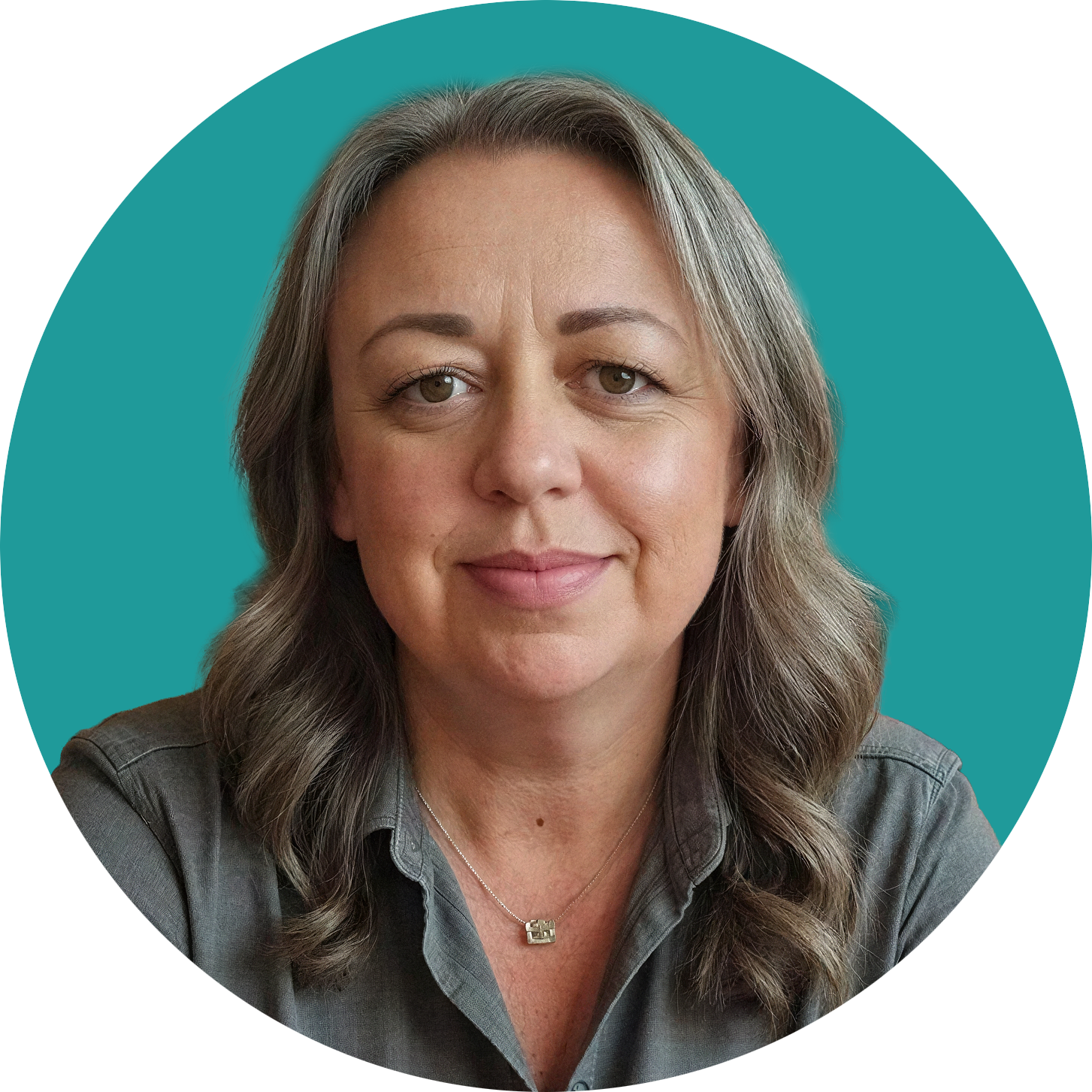
Karen King, Founder of The Escapepreneur® & ESC Hub
Karen King is the founder of The Escapepreneur® and the woman behind the term. After burning out running a six-figure cake business in Australia, she sold everything, left the country, and spent the last 10 years building a freedom-based business across 60+ countries. On No More Somedays, she writes for the online business owner who is smart, tired, and done with waiting for someday to arrive. Honest, practical, zero hype.
Take the Reality Check
Working hard but going nowhere? Answer 10 quick questions and find out what's really been holding you back — and where to start.
Start My Reality Check →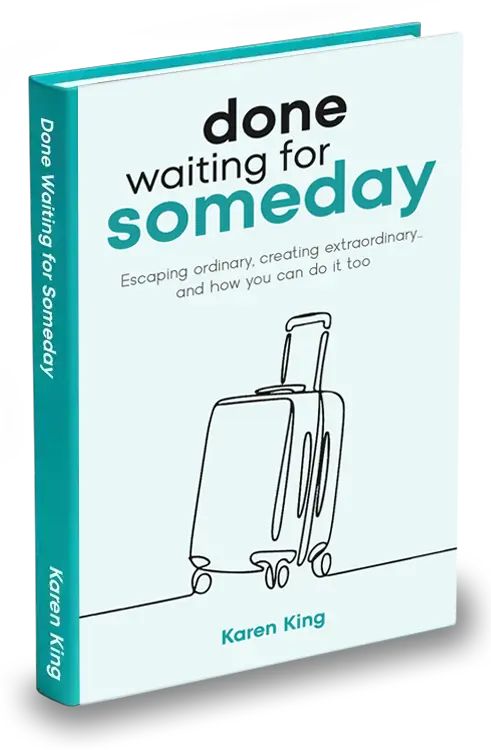
Done Waiting for Someday
The step-by-step path to turning the business you have into the freedom you want.
Get the book →Join The Escape Club
Support, accountability and a room full of people building freedom-first businesses alongside you.
Join the Club →