
What's Stopping You From Making the Money You Deserve? The Real Reasons You're Still Stuck
You built the business. You did the hard part - the leaving, the deciding, the betting on yourself. And yet the money hasn't shown up the way you thought it would, and the freedom feels further away than the day you started. So you ask the quiet question you never say out loud: what's stopping you from making the money you deserve?
Here's the short answer, the one that still makes sense if you read it in isolation: what's stopping you from making the money you deserve is almost never effort or talent. It's usually that you're spreading yourself across too many things, undercharging out of fear, and building on strategies designed for a beginner you stopped being a while ago.
I know that because I lived it. I ran a cake business to multiple six figures and still ended up almost working for free while copycats undercut me and I clocked 70 to 80 hour weeks. Busy is not the same as paid. Let me show you where the money actually leaks out.
What's actually stopping you from making the money you deserve?
The money problem in a freedom business is rarely a single villain. It's usually three or four ordinary leaks running at once, each small enough to ignore, and together big enough to keep you flat.
I've watched women blame the algorithm, the economy, their niche, their website. Occasionally one of those matters. Mostly they're the story we tell because it's less confronting than the real one.
The real one is quieter. You're working hard on the wrong things, charging for your time instead of the outcome, and hoping more effort will fix a problem that effort caused. Let's go through it properly.

Are you actually charging for the value, or apologising for the price?
The fastest money leak I see is pricing. Not "you should raise your prices" as a slogan - I mean you are literally handing your income away because you're scared of the number.
With Cakes by Karen, I priced off ingredients and hours, like most people do. Then someone would post a photo of one of my cakes and say "I could get that cheaper" - and I'd flinch and hold my prices low. I was competing on a number instead of on the thing people actually paid me for: the relief of not having to worry about it.
When I was the top home-security salesperson in Australia at 21 on $120k a year, I wasn't pushy. I hate sleazy sales. I just genuinely believed I was solving someone's problem, so it never occurred to me they'd say no. That belief is what's missing when you undercharge. You've decided the answer is no before you've asked.
If you're a coach or service provider and your prices feel stuck, the fix often starts with who you're for, not what you charge. I go deeper on that in how to choose a coaching niche when you're already in business but stuck, because a vague "I help everyone" is what keeps prices low.
Is the problem your business, or that you've built five of them?
This one is personal. I was diagnosed with ADHD in 2023, and it explained the pattern that cost me years: I'd start something, get bored, chase the next shiny thing, and never let anything compound.
My whole life is proof of it. Thirty houses by age 21. Sixty-plus countries since. Novelty is in my bones, and for a long time it kept me broke. My freedom money didn't arrive until I finally focused on one thing long enough for it to work.
So look honestly at your week. Are you running one business, or three half-built ones stitched together? A course you never finished, a service you half-offer, an affiliate thing, a bit of freelancing. Each one is a decent idea. Together they're a reason none of them pay.
The money isn't hiding in a new offer. It's usually hiding in the one you already half-built. Before you add anything, I'd read simplify your business before you add one more thing - because subtraction is where the income usually is.
Are you mistaking motion for progress?
You can feel productive all day and move nothing. Rebranding. Tweaking the logo. Reorganising your project app. Buying another course. These feel like work because they're tiring, but tiring isn't the same as paid.
I did this too. The truth is, when the actual money-making activity is scary - the sales conversation, the higher price, the launch - we fill the day with safe busywork instead. It looks like effort. It's avoidance in a nicer outfit.
The tools don't fix it either. I love a good app, but I've watched people believe a new system will save a stuck business, and it never does. That's the whole point of why solopreneur productivity tools won't fix a stuck business - the leak isn't your software, it's what you're avoiding.
Ask yourself a blunt question at the end of each day: did I do anything today that could realistically have led to money? If the honest answer is no more days than yes, that's your problem, not the market.

Do you actually believe you deserve the money?
This is the part people skip because it feels soft. It isn't. Your pricing, your offers, your willingness to ask - all of it flows from a number you carry about what you're worth.
Research on the gender pay gap shows women are consistently paid less for the same work; in the US, women earned about 85% of what men earned in 2024, per Pew Research. We absorb that. We carry it into our own businesses and price ourselves like the discount was our idea.
I got my 3-year-old's Mother's Day painting once. It said her favourite thing to do on the weekend was watch me sleep, because I was exhausted from a business I'd let become a prison. That was the smack in the face. I wasn't undercharging because the cakes weren't worth it. I was undercharging because somewhere I'd decided my time and I weren't worth protecting.
You can't out-strategy a self-worth problem. And you can't affirmation your way out of it either - though I do think the right entrepreneur affirmations help when the business is genuinely stuck, as long as you pair them with actually changing the number.
Is your business built for freedom, or for more work?
Here's a trap specific to us. We leave the job for freedom, then rebuild the job inside the business. Trading hours for money, personally attached to every sale, no offer that works while you sleep.
That's what happened to me with cakes. I loved it, and it still became a cage - because the whole model required me, physically, every single hour. Making more money meant working more hours, and there were no more hours.
If your income has a hard ceiling made of your own time, no amount of hustle breaks it. You break it by changing the shape of what you sell: a group offer, a digital product, something that separates the value you deliver from the hours you personally spend. That structural shift is usually the difference between a busy business and one that finally pays you what you deserve.
So what do you actually do differently?
Stop adding. Pick the one offer that already gets closest to a "yes" and make it the whole focus for the next stretch. Kill or park the rest, at least for now.
Then raise the price to what the outcome is actually worth, not what your nerves can handle. Then spend your best hours on the money-making activity you've been avoiding, and let the busywork wait.
None of this is complicated. It's just uncomfortable, which is why so many capable women stay stuck doing everything except the thing that pays. I did the right things in the wrong order for years. The money came when I finally focused - not when I worked harder.
Frequently Asked Questions
Why am I not making money even though my business is busy?
Busy usually means you're spread across too many offers and doing avoidance work - rebranding, tweaking, tool-hopping - instead of the sales and pricing moves that actually generate income. Fewer things, done properly, pay better than many things done partway.
How do I know if I'm undercharging?
If your price is based on your hours and costs rather than the outcome you deliver, and if raising it makes you anxious rather than the client, you're almost certainly undercharging. Price the relief and result, not the time.
Is my niche the reason I'm stuck?
Sometimes, but more often the niche is too broad, so nothing you say lands hard enough to justify a higher price. Getting specific about who you're for usually does more for your income than switching niche entirely.
Should I start something new to make more money?
Rarely. The money is usually hiding in the offer you already half-built, not in a fresh idea. Adding more is often the thing keeping you flat in the first place.
If any of this landed a little too close, that's a good sign - it means you can see the leaks now, and you can plug them. The next move isn't another course or a fresh idea; it's an honest look at where your business is actually stuck and why. Walk through The Reality Check and you'll see the specific thing costing you the money and freedom you built this business for in the first place. You've already done the brave part. Now let's make it pay.
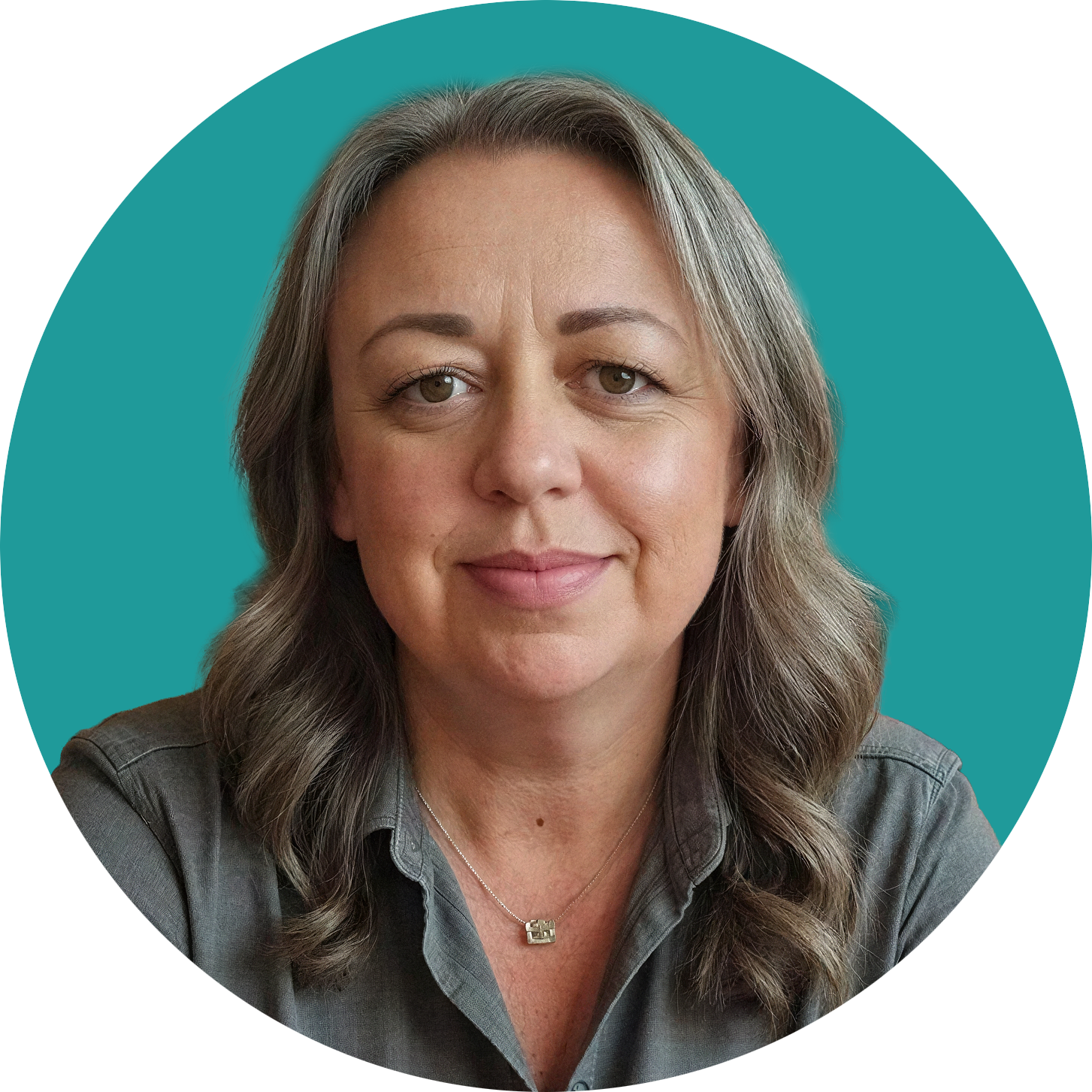
Karen King, Founder of The Escapepreneur® & ESC Hub
Karen King is the founder of The Escapepreneur® and the woman behind the term. After burning out running a six-figure cake business in Australia, she sold everything, left the country, and spent the last 10 years building a freedom-based business across 60+ countries. On No More Somedays, she writes for the online business owner who is smart, tired, and done with waiting for someday to arrive. Honest, practical, zero hype.
Take the Reality Check
Working hard but going nowhere? Answer 10 quick questions and find out what's really been holding you back — and where to start.
Start My Reality Check →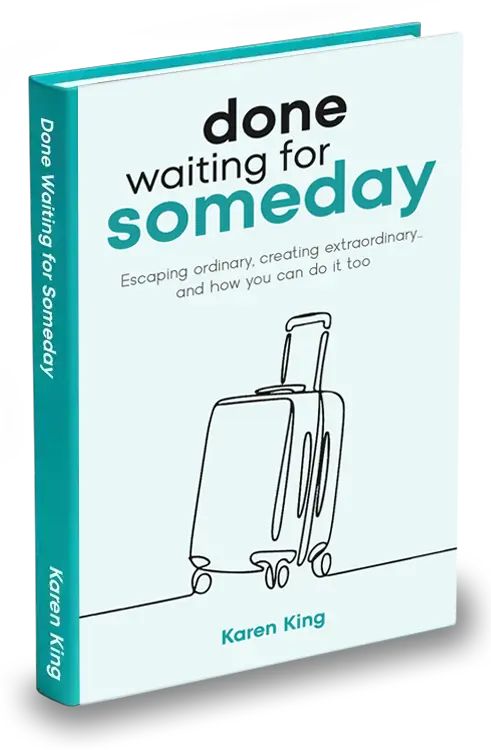
Done Waiting for Someday
The step-by-step path to turning the business you have into the freedom you want.
Get the book →Join The Escape Club
Support, accountability and a room full of people building freedom-first businesses alongside you.
Join the Club →