
What Does Success Look Like? Designing the Life Your Business Is Meant to Buy You
There's a number written on a sticky note on the edge of your monitor. A revenue goal, maybe, or a date. You wrote it full of hope, and now you glance at it the way you'd glance at a parking ticket. It's a small accusation you walk past every morning.
So let me ask the question that note is really about. What does success look like, actually? Not the version you borrowed from someone else's launch screenshots. The real one, built for your life, in the business you've already started.
What does success look like when you strip away everyone else's version?
Success is the specific life your business is meant to buy you, measured in money and time, not the numbers other people wave around to feel important. It's revenue that covers your life and then some, with enough hours left over to actually live it. That's the whole definition.
Here's where most of us go wrong. We never define it. We absorb it. We scroll, we watch, we see a woman announce her six-figure year from a beach, and without deciding to, we adopt her finish line as our own.
The problem is her finish line was built for her life, not yours. Maybe she has no kids and works 60-hour weeks happily. Maybe she had an audience before she started. Maybe the screenshot is gross revenue and her take-home is a third of it. You end up chasing a target that was never designed to fit you.
I know that trap from the inside. I ran Cakes by Karen up to around 50,000 followers and multiple six figures on long weeks, and by every metric I was supposed to want, I had made it. The number looked like success. The life felt like a prison.

Why the goal you're chasing might be the one thing holding you back
When you don't define success for yourself, you default to "more". More revenue, more followers, more offers, more posting. More is not a goal. It's a treadmill with no off switch.
I didn't see mine until my three-year-old handed me a Mother's Day painting. On it she'd written that my favourite thing to do on the weekend was sleep. That was a smack in the face. I had hit the number and lost the actual point of having the business at all.
So here's the first thing worth getting honest about: you can win a game you never meant to play. If your definition of success is just a bigger version of what's already draining you, then hitting it won't give you the life you wanted. It'll move the goalposts.
I see this in women who named the dream life and still aren't living it. The dream was vivid. The target got fuzzy and borrowed. If that's you, the piece on why you named the dream but aren't living it yet digs into exactly that gap.
What does success look like in numbers you can actually hit?
Vague goals keep you guessing because you can never tell if you're close. "Build a successful business" is not a target. It's a mood.
Try this instead. Work out the real number your life costs each month, including the freedom parts you keep deferring. Not survival. The actual life. Then add tax and a buffer. That figure, hit consistently, is your first definition of success. Everything above it is a bonus, not the point.
Most of us wildly overestimate what we need to feel free and wildly underestimate how close a focused business can get us. Beyond covering your real needs, the way you spend your time matters more than the extra dollar.
Once I had a real number instead of "more", decisions got simpler. I knew what was enough. I knew what to say no to. If you're stuck making choices because the target keeps shifting, the way through is a clear number and a clear next move, which is the whole idea behind making business decisions without perfect information.
Is success a destination or the thing you do every day?
Here's the part nobody tells you. Success is not the day you cross the line. Success is whether the daily work is one you can keep doing without hating your life.
My cake business was "successful" and unsustainable at the same time. The destination was fine. The daily reality was crushing. I had built the right kind of money on the wrong kind of engine.
So when you ask what success looks like, ask it twice. What does the outcome look like, and what does a normal Tuesday look like once I get there? If the Tuesday is more of what's wearing you down now, the whole model needs changing, not just more effort poured into it.
That's the trap in traditional advice. It tells ambitious women to grind harder toward a bigger version of a model that was never built for the life we want. If you've been following that playbook, read why traditional business advice doesn't work for ambitious women. It isn't you. It's the instructions.
How to tell the difference between failing and just measuring it wrong
A lot of women who feel like they're falling short aren't failing at all. They're succeeding at something they never named, so it doesn't count in their own heads.
Ask yourself what you've actually built. Clients who come back. A skill you're genuinely good at. A list of people who trust you. Months where you covered your costs. These are not nothing. They're the foundation most people never lay.
The gap is usually not capability. It's focus. The money tends to arrive once you commit to one thing and stop scattering yourself across five bright ideas at once. Progress comes from the one thing you finish, not the ten you start.
So before you decide you're behind, define success honestly and check your scoreboard against it. You may find you're closer than the sticky note suggests, and that the real issue is a definition so vague no amount of progress could ever satisfy it.
If you'd like a clear read on where you actually stand, that's exactly what my free Reality Check is for. It takes a few minutes and shows you what's working, what isn't, and the one thing to change next.

What does success look like for a freedom business specifically?
For the kind of business most of us are building, success has two numbers, not one. The money number and the hours number. You can hit one and still be miserable. You need both.
Picture the week you're actually aiming for. The money arrives without eating every waking hour. You work the mornings you choose, from wherever you happen to be that month, and the afternoon is yours. School pickup, a long lunch, a flight you booked on a whim. The income funds the life instead of consuming it.
That's the whole shift. A well-designed week gives you time freedom, location freedom and enough money at once, because the business was built to serve the life rather than the other way around. The revenue is the means. The week is the point.
If your business is making decent money but still swallowing your time, that's not failure. That's a design problem, and design problems are fixable. The daily drain is often the first thing to sort out, before you touch anything else.
The one question that reframes everything
Try this one on. If money were handled, how would your days actually go? Who would you help? What would you stop doing tomorrow? Answer that plainly and you've just written your real definition of success.
It works because it drops the noise. Not the launch you think you should run, not the follower count you think you should chase. Just the life, described in a few honest lines. Most people have never let themselves write it down.
Then you build backwards from it. What does the life cost? What does the business need to earn? What has to change in how you work to make the Tuesday one you'd actually want? That's not a dream board. That's a plan.
Frequently Asked Questions
What does success look like for a small business owner?
Success for a small business owner is covering your real monthly cost of living plus tax and a buffer, consistently, while keeping enough time and energy to enjoy the life that money is funding. The numbers are personal, but both the money and the time have to work, not just one.
How do I know if my business is successful?
Check it against a definition you wrote down, not a feeling. List what you've actually built: repeat clients, a real skill, people who trust you, months you covered costs. If you're moving toward a clear, personal number, you're likely succeeding and just measuring against a borrowed finish line.
Why do I feel behind even though my business is doing okay?
Usually because you never defined success for yourself, so you default to "more" and nothing ever feels like enough. Swap the vague "more" for a specific money and hours target and you can finally see how close you are.
Should I set revenue goals or lifestyle goals?
Both, together. Start with the life you want, cost it out, then set the revenue goal that funds it, and add an hours goal so you don't build income on an engine that burns you out.
Where this leaves you
Take that sticky note off your monitor. The number on it isn't wrong because you're not good enough. It might be wrong because it was never yours to begin with. You get to write a new one, built from your life instead of someone else's highlight reel.
The clearest place to start is honestly, with where you actually are right now. I put together The Reality Check for exactly this moment, to help you see what's working, what isn't, and the one thing to change next so the business finally starts buying back the life you built it for.
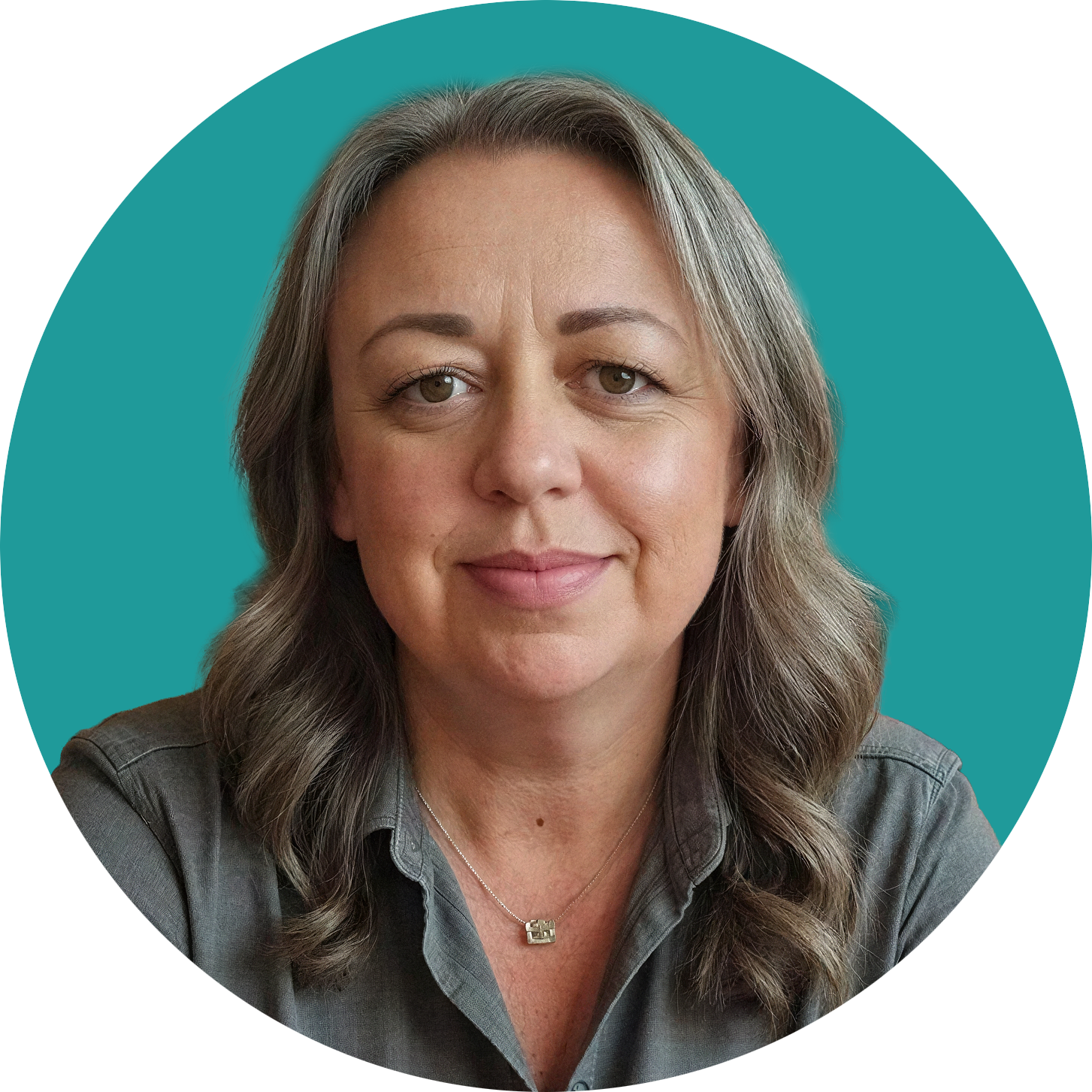
Karen King, Founder of The Escapepreneur® & ESC Hub
Karen King is the founder of The Escapepreneur® and the woman behind the term. After burning out running a six-figure cake business in Australia, she sold everything, left the country, and spent the last 10 years building a freedom-based business across 60+ countries. On No More Somedays, she writes for the online business owner who is smart, tired, and done with waiting for someday to arrive. Honest, practical, zero hype.
Take the Reality Check
Working hard but going nowhere? Answer 10 quick questions and find out what's really been holding you back — and where to start.
Start My Reality Check →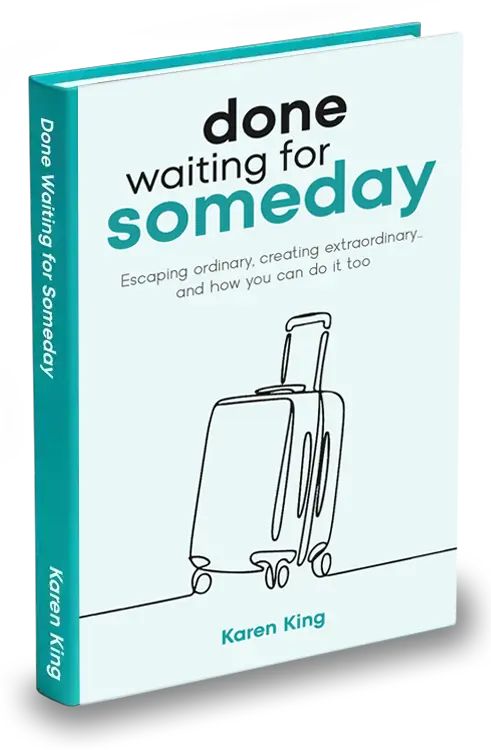
Done Waiting for Someday
The step-by-step path to turning the business you have into the freedom you want.
Get the book →Join The Escape Club
Support, accountability and a room full of people building freedom-first businesses alongside you.
Join the Club →